When your joints ache, the last thing you may feel like doing is exercising. But for most people with arthritis, staying active is one of the best ways to reduce pain and stiffness and keep joints working well. The CDC notes that physical activity can reduce pain and improve function, mood and quality of life for adults with arthritis.
Why movement helps arthritic joints
- Stronger muscles around the joints absorb shock and provide support.
- Better flexibility and range of motion reduce stiffness.
- Weight management eases pressure on weight-bearing joints like the knees and hips.
- Joint nourishment. Movement helps circulate the fluid that keeps cartilage healthy.
- Better sleep, mood and energy.
Avoiding activity, on the other hand, can lead to weaker muscles and stiffer joints, making pain worse over time.
Joint-friendly activities
The CDC recommends low-impact activities that are easy on the joints, such as:
- Walking
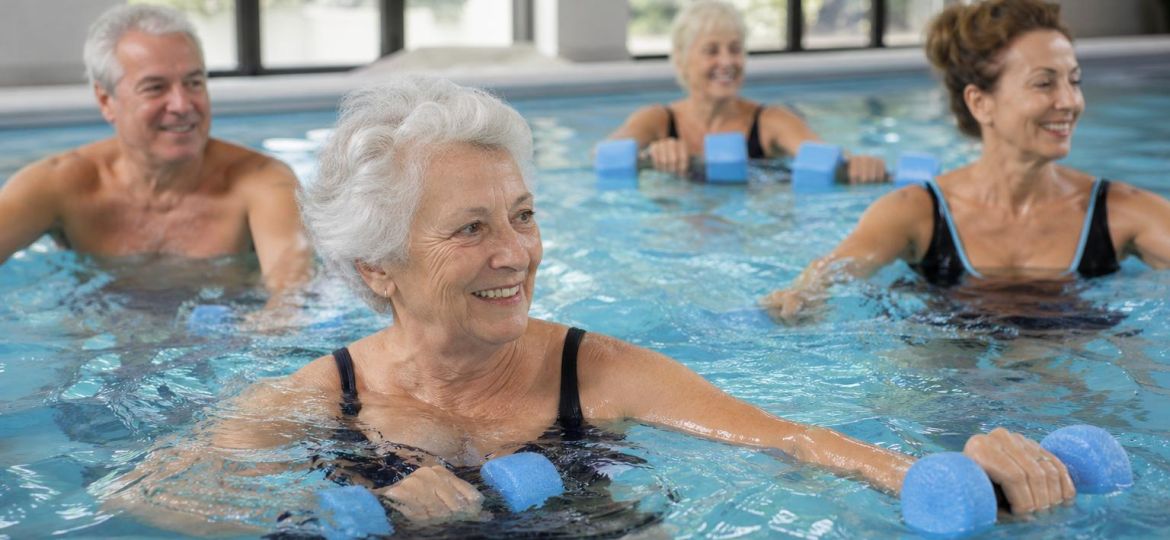
- Swimming and water aerobics
- Biking, outdoors or on a stationary bike
- Tai chi and gentle yoga
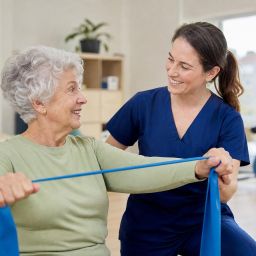
- Strength training with light weights or bands
- Gardening
Water exercise is especially helpful because the water supports your body weight while providing gentle resistance.
How much to aim for
Adults with arthritis are encouraged to work toward the same general goal as other adults: about 150 minutes of moderate activity a week, plus muscle strengthening 2 days a week. If that sounds like a lot, start with a few minutes a day and build up gradually. Any amount of activity helps.
Tips for exercising with arthritis
- Start low and go slow. Increase the time and intensity gradually.
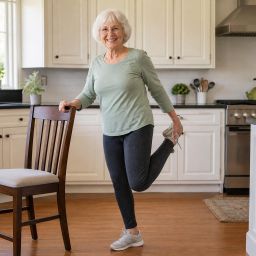
- Warm up first with gentle movement to loosen stiff joints.
- Use the 2-hour rule. Some soreness is normal, but if joint pain is worse 2 hours after exercise than before, cut back next time.
- Modify, don’t quit. On flare days, switch to gentle stretching or water exercise.
- Wear supportive shoes and use walking aids if needed.
- Apply heat before and ice after if that helps your joints.
Joint-friendly workouts to try
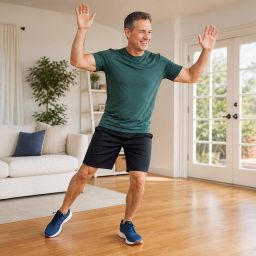
- Low-Impact Cardio Workout That’s Easy on the Knees: no jumping, with one foot always on the ground.
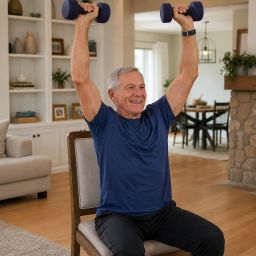
- Seated Chair Workout for Limited Mobility: strength and movement without standing.
What this means for you
Talk with your doctor or a physical therapist before starting a new program, especially if you have rheumatoid arthritis, recent joint surgery or significant pain. They can recommend specific exercises and modifications. The CDC also lists proven community programs designed for people with arthritis, such as walking groups and exercise classes.
Seek medical advice if you notice joint swelling, redness, warmth or pain that doesn’t improve with rest.
The bottom line
For most people with arthritis, regular low-impact exercise reduces pain and stiffness, strengthens muscles and improves quality of life. Start slowly, listen to your joints and choose activities you enjoy.
Common questions
Should I exercise during a flare?
During a flare, focus on gentle range-of-motion movements and rest the affected joints as needed. Return to your regular routine gradually as symptoms ease.
Will running damage my knees?
For many people, moderate running doesn’t cause arthritis. But if you already have knee arthritis, low-impact options are often more comfortable. Ask your doctor what’s best for you.
Can losing weight help my knees?
Yes. Every pound of body weight adds extra force on the knees when you walk, so even modest weight loss can ease knee pain for people who are overweight.
This article is for general information and isn’t medical advice. Check with your doctor before starting a new exercise program, especially if you have heart disease, diabetes, high blood pressure, joint problems, a lung condition or another health concern. Stop and seek medical help if you feel chest pain, dizziness, faintness or severe shortness of breath.