Muscle doesn’t just help you lift heavy things. It helps you get out of a chair, climb stairs, carry groceries, keep your balance and stay independent. Starting in middle age, though, we gradually lose muscle mass and strength. When this loss becomes significant, it’s called sarcopenia.
Sarcopenia is common in older adults and is linked to falls, fractures, disability and loss of independence. The encouraging news: research shows that resistance training is one of the most effective ways to prevent and treat it.
What causes sarcopenia?
Several factors work together:
- Physical inactivity, the biggest modifiable factor
- Changes in hormones such as testosterone and growth hormone
- Not eating enough protein or calories
- Chronic inflammation and chronic diseases
- Changes in nerves that signal muscles to move
- Periods of bed rest or hospital stays, which can cause rapid muscle loss
Signs to watch for
- Feeling weaker or tiring more easily
- Difficulty getting up from a chair without using your arms
- Trouble climbing stairs or carrying bags
- Walking more slowly
- Unintended weight loss or thinner arms and legs
- Losing your balance or falling
How to prevent and slow muscle loss
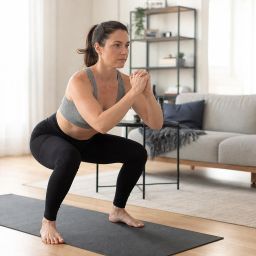
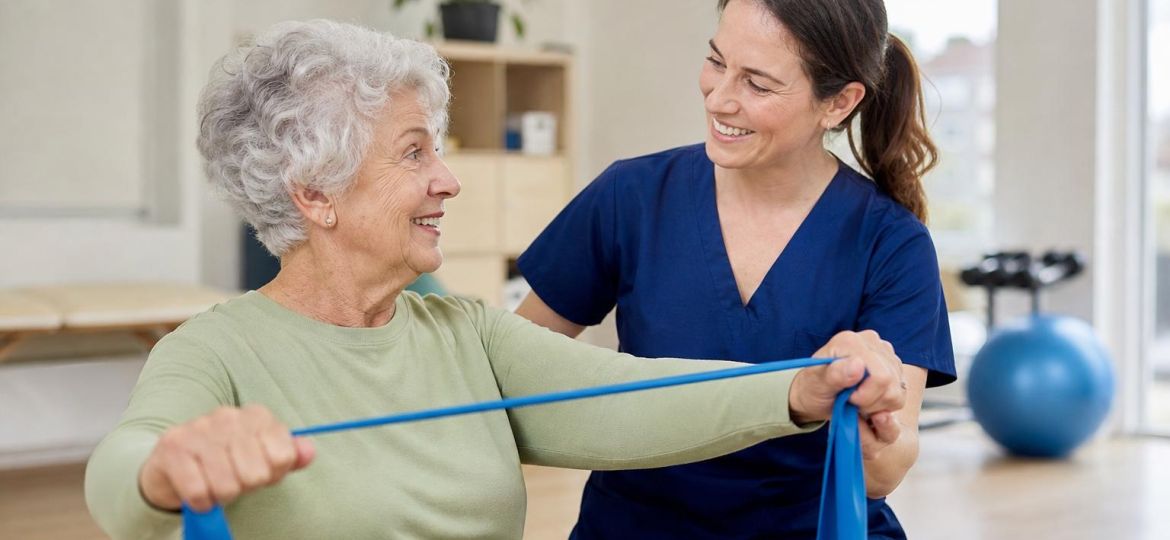
1. Strength training. Resistance exercise is the cornerstone of preventing and treating sarcopenia. Research reviews have found that resistance training improves muscle strength and function in older adults. Aim for at least 2 days a week, working all major muscle groups.
2. Enough protein. Older adults may need more protein than younger adults to maintain muscle. Spread protein across meals with foods like eggs, fish, poultry, Greek yogurt, beans and lentils.
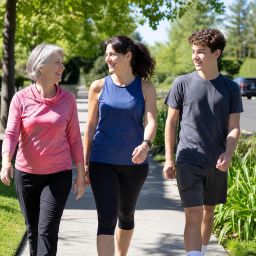
3. Stay active every day. Walking and other aerobic activity support overall fitness, while reducing sitting time helps preserve muscle.
4. Bounce back after illness. After a hospital stay or illness, ask about rehabilitation or physical therapy to rebuild strength.
5. Check vitamin D. Ask your doctor whether your vitamin D levels should be tested, as low levels are linked to muscle weakness.
Workouts to build muscle
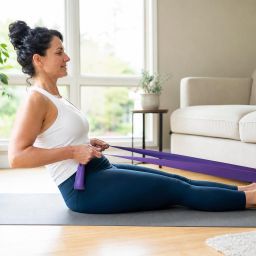
- Resistance Band Strength Workout: an affordable, joint-friendly way to build strength at home.
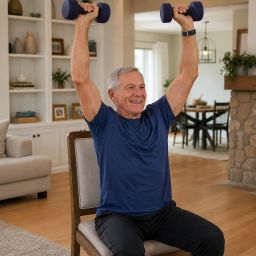
- Seated Chair Workout for Limited Mobility: a safe starting point if standing exercise is hard.
What this means for you
It’s never too late to build strength. Older adults, even those in their 80s and 90s, can gain meaningful muscle strength with regular resistance training. If you notice signs of muscle loss, talk with your doctor. They can check your strength, review your diet and medicines and refer you to a physical therapist if needed.
The bottom line
Sarcopenia is the age-related loss of muscle mass and strength, but it isn’t inevitable. Regular strength training, enough protein and daily activity can help you stay strong and independent.
Common questions
Can sarcopenia be reversed?
Strength training and good nutrition can improve muscle strength and function at any age, even in people who already have significant muscle loss.
How is sarcopenia diagnosed?
Doctors may use tests of grip strength, walking speed and the ability to stand up from a chair, sometimes along with scans that measure muscle mass.
Do I need protein supplements?
Most people can meet their protein needs through food. Supplements may help if your appetite is poor or your doctor or dietitian recommends them. People with kidney disease should check before increasing protein.
This article is for general information and isn’t medical advice. Check with your doctor before starting a new exercise program, especially if you have heart disease, diabetes, high blood pressure, joint problems, a lung condition or another health concern. Stop and seek medical help if you feel chest pain, dizziness, faintness or severe shortness of breath.