Human papillomavirus (HPV) is the most common sexually transmitted infection. Most people get it at some point, and the body usually clears it. But some types can linger and cause cancer years later. HPV causes nearly all cervical cancers, plus many cancers of the throat, anus, penis, vagina and vulva.
The HPV vaccine prevents infection with the types that cause most of these cancers. In countries with high vaccination rates, cervical cancer and precancers have dropped sharply.
Who should get it
- Preteens: Vaccination is recommended at 11 to 12 years and can start at 9. It works best before any exposure to HPV.
- Teens and young adults: Catch-up vaccination is recommended through age 26 for those who weren’t vaccinated.
- Adults 27 to 45: Some may benefit. This is a shared decision with your doctor.
How many doses?
This is where recommendations have changed. In January 2026, the CDC revised the childhood schedule to recommend a single dose of HPV vaccine. Previously, two doses were recommended for those starting before 15, and three for those starting at 15 or older or with weakened immune systems.
Studies from other countries suggest one dose gives strong protection, and the World Health Organization endorses single-dose schedules. But the change was not made through the usual advisory committee process, and the vaccine used in the U.S. isn’t licensed as a single dose. The American Academy of Pediatrics (AAP) and several other medical groups continue to recommend the previous schedule. Many states now follow AAP guidance.
Insurers have said they’ll cover vaccines recommended as of September 2025 through the end of 2026, but coverage for additional doses after that is less certain. Ask your doctor or pharmacist which schedule they recommend and check with your plan.
Is it safe?
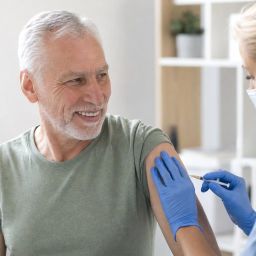
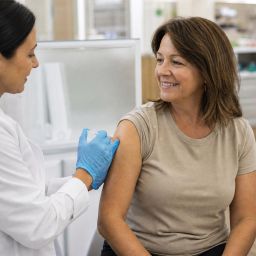
More than 15 years of monitoring and hundreds of millions of doses show the HPV vaccine is safe. Common side effects are a sore arm, headache or brief dizziness. Sitting for 15 minutes afterward helps prevent fainting in teens.
Screening still matters
The vaccine doesn’t protect against every cancer-causing type of HPV. Vaccinated women should still follow cervical screening guidelines. See our cancer screening guide by age.
What this means for you
- If you have a child 9 to 12, ask about the HPV vaccine at their next visit.
- If you’re 26 or younger and unvaccinated, it’s not too late.
- Ask your doctor which dose schedule they follow and why.
The bottom line
The HPV vaccine is one of the few vaccines that prevents cancer. Medical groups currently differ on whether one or two doses is best, so talk with your child’s doctor. Either way, getting started early offers the strongest protection. For more on adult vaccines, see our adult vaccine checklist.
Common questions
Does the HPV vaccine encourage teens to have sex?
No. Studies have found no change in sexual behavior after HPV vaccination.
Do boys need the HPV vaccine?
Yes. HPV causes throat, anal and penile cancers in men, and vaccinating boys also helps reduce spread.
My child already had one dose. Do they need another?
It depends on which recommendation your doctor follows. The CDC now lists one dose, while the AAP still recommends two for those who started before 15. Your child’s doctor can advise.
Can adults over 26 get the HPV vaccine?
Adults 27 to 45 can talk with their doctor. The benefit is smaller because many have already been exposed to HPV.
This article is for general information and isn’t medical advice. Talk with your healthcare provider about your individual needs.