High blood pressure is often called a “silent killer” because it usually causes no symptoms while it damages the body over many years. Nearly half of U.S. adults have high blood pressure, and many don’t know it. Understanding what it does to your body can be a powerful motivator to get it under control.
How high blood pressure causes damage
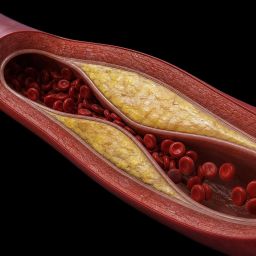
When blood pushes too hard against artery walls, it strains and injures the delicate inner lining. Over time, damaged arteries become stiffer and narrower, and cholesterol is more likely to build up in them. This reduces blood flow and makes the heart work harder. The damage affects organs throughout the body.
Your heart
- Coronary artery disease: damaged, narrowed arteries can reduce blood flow to the heart, causing chest pain or a heart attack.
- Enlarged, thickened heart: pumping against high pressure makes the heart muscle thicken and stiffen, especially the left ventricle.
- Heart failure: over time, the overworked heart can weaken and fail to pump blood effectively.
- Irregular heartbeat: high blood pressure raises the risk of atrial fibrillation.
Your brain
- Stroke: high blood pressure is the leading risk factor for stroke. It can cause arteries in the brain to narrow, become blocked or burst.
- TIA: temporary blockages can cause “mini-strokes,” a warning sign of a future stroke.
- Memory and thinking problems: reduced blood flow to the brain is linked to vascular cognitive impairment and dementia.
Your kidneys
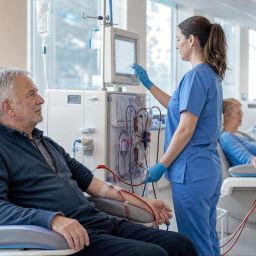
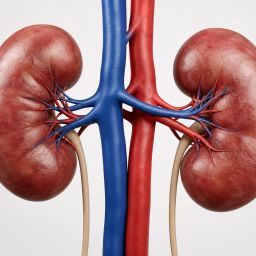
The kidneys filter waste through tiny blood vessels. High blood pressure can damage these vessels, reducing kidney function. High blood pressure is one of the leading causes of chronic kidney disease and kidney failure, and kidney disease can, in turn, raise blood pressure further.
Your eyes and more
- Eyes: damage to blood vessels in the retina can affect vision.
- Sexual function: reduced blood flow can contribute to erectile dysfunction and lower sexual arousal.
- Arteries in the legs: peripheral artery disease can cause leg pain when walking.
The good news: lowering it helps
Bringing blood pressure down significantly reduces the risk of heart attack, stroke, heart failure and kidney disease. Proven steps include:
- Following the DASH eating plan
- Cutting back on sodium
- Exercising regularly, such as with our brisk walking plan
- Limiting alcohol and not smoking
- Maintaining a healthy weight and managing stress
- Taking blood pressure medicine as prescribed when needed
What this means for you
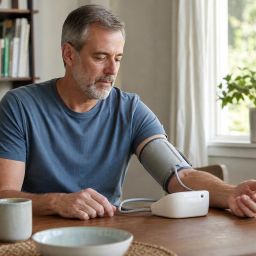
Because high blood pressure usually has no symptoms, the only way to know is to measure it. Learn what your blood pressure numbers mean, get checked regularly and work with your doctor on a plan if your readings are high. Know the warning signs of stroke and call 911 if they occur.
The bottom line
Uncontrolled high blood pressure damages the heart, brain, kidneys, eyes and blood vessels over time. Measuring it regularly and keeping it under control is one of the most effective ways to protect your long-term health.
Common questions
Can damage from high blood pressure be reversed?
Some changes, like a thickened heart muscle, can improve when blood pressure is controlled. Other damage may be permanent, which is why early control matters.
Does high blood pressure cause headaches?
Usually not. Most people have no symptoms, which is why regular checks are important. Severe headache with very high blood pressure can be an emergency.
Who is at higher risk of high blood pressure?
Risk rises with age, family history, excess weight, high-sodium diets, physical inactivity, heavy alcohol use, smoking and conditions like diabetes and kidney disease.
This article is for general information and isn’t medical advice. Talk with your healthcare provider about your individual needs.