You’ve had your blood drawn, and now you’re looking at a lipid panel full of numbers and abbreviations. What does it all mean? Understanding your cholesterol results is an important step in protecting your heart, because high cholesterol usually causes no symptoms at all.
What is cholesterol?
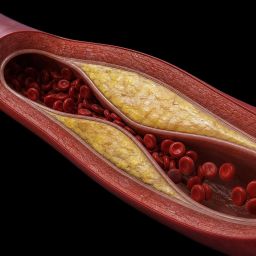
Cholesterol is a waxy, fat-like substance your body needs to build cells and make certain hormones. Your liver makes all the cholesterol you need, and you also get some from animal foods. Cholesterol travels through your blood attached to proteins called lipoproteins. When there’s too much of the wrong kind, it can build up in your artery walls, a process called atherosclerosis that raises the risk of heart attack and stroke.
The numbers on your lipid panel
- LDL (low-density lipoprotein): often called “bad” cholesterol because it contributes to plaque buildup in the arteries. Lower is generally better.
- HDL (high-density lipoprotein): often called “good” cholesterol because it helps carry cholesterol away from the arteries to the liver for removal.
- Triglycerides: the most common type of fat in the blood. High levels, especially with high LDL or low HDL, are linked to heart disease.
- Total cholesterol: the overall amount, including LDL and HDL.
- Non-HDL cholesterol: total cholesterol minus HDL, which captures all the “bad” types.
General ranges for adults
These commonly used ranges (in mg/dL) can help you make sense of your results:
- LDL: less than 100 is considered optimal for most people; 160 or higher is high; 190 or higher is very high.
- HDL: 60 or higher is considered protective; less than 40 for men or less than 50 for women is considered low.
- Triglycerides: less than 150 is normal; 200 or higher is high.
- Total cholesterol: less than 200 is generally considered desirable.
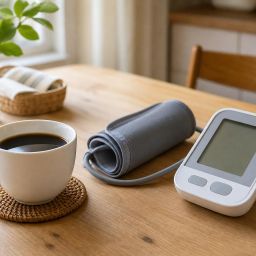
The American Heart Association emphasizes that your numbers are only part of the picture. Your doctor will consider them alongside other risk factors, such as age, blood pressure, smoking, diabetes and family history, to estimate your overall risk and decide whether treatment is needed.
How to improve your numbers
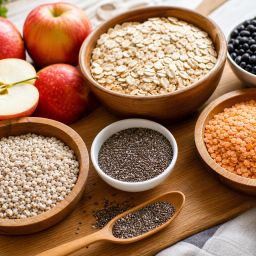
- Eat more soluble fiber. Oats, beans and fruit help lower LDL. Learn more in our guide to soluble fiber and cholesterol.
- Limit saturated fat from fatty meats, butter and full-fat dairy, and avoid trans fat.
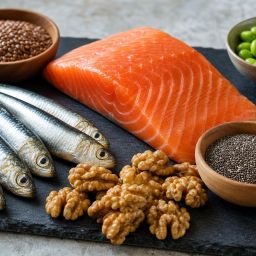
- Choose healthy fats like olive oil, nuts and fish.
- Move more. Regular activity can raise HDL and lower triglycerides.
- Don’t smoke, and limit alcohol.
- Manage your weight.
A cholesterol-friendly breakfast to try: Overnight Oats with Berries and Chia.
What this means for you
Ask your doctor to explain your results and what they mean for your personal risk. If lifestyle changes aren’t enough, or if your risk is high, your doctor may recommend medicine such as a statin. Keep a copy of your results so you can track changes over time.
The bottom line
LDL, HDL, triglycerides and total cholesterol each tell part of the story about your heart health. Knowing your numbers, and what affects them, helps you and your doctor make the best decisions together.
Common questions
Do I need to fast before a cholesterol test?
Not always. Many labs now allow non-fasting tests, but your doctor may ask you to fast 9 to 12 hours, especially if your triglycerides were high before. Follow the instructions you’re given.
Can thin people have high cholesterol?
Yes. Genetics play a big role, so people of any weight can have high cholesterol. That’s why testing is important for everyone.
What is non-HDL cholesterol?
It’s your total cholesterol minus your HDL. Because it includes all the cholesterol carried by particles that can build up in arteries, some doctors use it as an extra way to judge heart risk.
This article is for general information and isn’t medical advice. Talk with your healthcare provider about your individual needs.