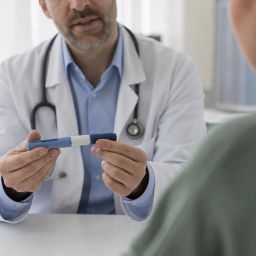
GLP-1 medicines such as semaglutide (Ozempic, Wegovy) and tirzepatide (Mounjaro, Zepbound) first became known for lowering blood sugar and helping people lose weight. Our guide to GLP-1 weight-loss medicines covers the basics. But research now shows these drugs may do much more, and the FDA has approved several new uses.
Heart protection
In the large SELECT trial, people with heart disease and overweight or obesity who took semaglutide had about 20% fewer heart attacks, strokes and heart-related deaths. In 2024, the FDA approved Wegovy to lower the risk of these events, the first weight-loss drug approved for heart protection.
Kidney protection
In people with type 2 diabetes and chronic kidney disease, semaglutide slowed kidney decline and lowered the risk of kidney failure and death. The FDA approved Ozempic for this use in 2025.
Sleep apnea and fatty liver
Zepbound is approved to treat moderate to severe obstructive sleep apnea in adults with obesity. Wegovy is approved for a serious form of fatty liver disease called MASH, which can lead to scarring of the liver.
New pill options
Daily pills are now available for weight management. The FDA approved a Wegovy pill in December 2025 and Lilly’s orforglipron (Foundayo) in April 2026. Pills may be easier for people who don’t want injections, though they have similar side effects.
What’s still being studied
- Addiction: Early studies suggest GLP-1 drugs might reduce cravings for alcohol and other substances. Larger trials are under way.
- Brain health: Large trials of semaglutide in early Alzheimer’s disease did not slow the disease, a reminder that early promise doesn’t always hold up.
- Arthritis: Weight loss with GLP-1 drugs has eased knee pain from osteoarthritis in studies.
The trade-offs
- Common side effects include nausea, vomiting, diarrhea and constipation, especially when starting.
- Rapid weight loss can include loss of muscle. Eating enough protein and strength training helps protect it. Try our high-protein breakfast ideas.
- Most people regain weight after stopping, so treatment is often long term.
- Cost and insurance coverage remain major barriers for many.
What this means for you
- If you have heart disease, kidney disease, sleep apnea or fatty liver along with excess weight, ask your doctor whether a GLP-1 drug could help.
- Avoid compounded or online versions that aren’t FDA-approved.
- Medication works best with healthy eating and activity.
The bottom line
GLP-1 drugs have moved well beyond weight loss, with proven benefits for the heart, kidneys, liver and sleep apnea. They’re not right for everyone, and research on other uses is still early. Talk with your doctor about whether they fit your health goals.
Common questions
Do I need diabetes to take a GLP-1 drug?
No. Some GLP-1 drugs are approved for weight management and related conditions in people without diabetes.
Are GLP-1 pills as effective as shots?
Pills can produce meaningful weight loss, though results vary by drug and dose. Your doctor can help you compare options.
How long do I need to take a GLP-1 drug?
Many people need to take them long term to keep the benefits. Stopping often leads to weight regain. Your doctor can help you decide.
Can GLP-1 drugs cause serious side effects?
Rare but serious side effects include pancreatitis, gallbladder problems and kidney problems from dehydration. Tell your doctor about severe stomach pain or persistent vomiting.
This article is for general information and isn’t medical advice. Talk with your healthcare provider about your individual needs.