Your heart pounds before a big presentation. Your chest tightens during an argument. These short bursts of stress are normal. But when stress becomes constant, from work, money, caregiving or health worries, it can take a real toll on your heart.
What stress does in the body
When you’re stressed, your body releases hormones like adrenaline and cortisol. Your heart beats faster, blood pressure rises and blood vessels tighten. This “fight or flight” response is helpful in a true emergency. The problem is when it stays switched on for weeks or months.
How chronic stress affects heart health
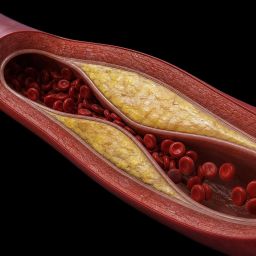
Research links chronic stress to a higher risk of heart disease and stroke. It may:
- Raise blood pressure over time
- Increase inflammation in the body
- Make blood more likely to clot
- Disrupt sleep, which is itself important for heart health
Stress also affects heart health indirectly. Many people cope by eating more, smoking, drinking alcohol, skipping exercise or sleeping poorly. These habits raise heart risk too.
Depression and anxiety are linked to heart disease as well, and people with heart disease are more likely to experience depression. Caring for your mental health is part of caring for your heart.
Broken heart syndrome
In rare cases, sudden intense stress, such as grief or shock, can cause stress cardiomyopathy, also called broken heart syndrome. It causes chest pain and shortness of breath that feel like a heart attack. It’s more common in women over 50 and usually improves within weeks, but it needs emergency care. Never assume chest pain is just stress.
Proven ways to manage stress
- Move every day: Exercise lowers stress hormones and blood pressure. Our brisk walking plan is a great place to start.
- Practice relaxation: Deep breathing, meditation and yoga can lower blood pressure. Try our gentle yoga routine for stress relief.
- Sleep well: Aim for 7 or more hours. See sleep and mental health.
- Stay connected: Strong relationships buffer stress. Loneliness itself is a heart risk.
- Eat for your heart: A Mediterranean-style diet supports heart health and mood.
- Limit alcohol and avoid smoking as ways to cope.
- Talk to someone: A therapist can teach skills to manage ongoing stress.
Check your numbers
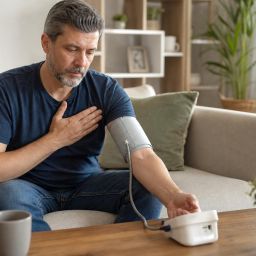
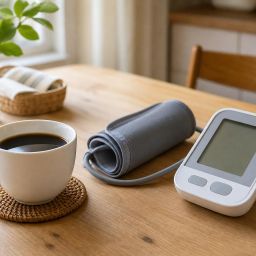
If you’re under a lot of stress, it’s a good time to check your blood pressure at home and keep up with regular checkups.
The bottom line
Chronic stress is more than a feeling. It affects your blood pressure and heart. You can’t remove all stress, but daily habits like movement, sleep, connection and relaxation help protect your heart and your mind.
Common questions
Can stress cause a heart attack?
Intense stress can trigger a heart attack in people who already have heart disease. Over time, chronic stress also raises risk. Call 911 for chest pain or other heart attack symptoms.
How quickly does relaxation lower blood pressure?
Breathing exercises can lower blood pressure briefly within minutes. Practiced regularly, relaxation techniques may help lower it over time.
Does exercise help even if I’m already stressed and tired?
Yes. Even a 10-minute walk can lower stress and lift mood. Gentle activity often helps you feel more energized, not less.
Can meditation really help my heart?
Research suggests meditation may help lower blood pressure and stress. It works best as part of an overall heart-healthy lifestyle.
This article is for general information and isn’t medical advice. Talk with your healthcare provider about your individual needs.