Loneliness is more than an unpleasant feeling. It’s a real health risk. In 2025, the World Health Organization reported that about 1 in 6 people worldwide feel lonely, and that loneliness is linked to an estimated 871,000 deaths each year, about 100 every hour.
Lonely vs. isolated
Loneliness is the feeling of being alone or disconnected, even when surrounded by people. Social isolation means having few social contacts. You can be isolated without feeling lonely, or lonely in a crowd. Both affect health.
How loneliness affects your body
Research, including a 2023 U.S. Surgeon General’s advisory, links loneliness and isolation to:
- About a 29% higher risk of heart disease and a 32% higher risk of stroke
- About a 50% higher risk of dementia in older adults
- Higher risk of depression and anxiety
- Weaker immune function and more inflammation
- Higher risk of early death, comparable to some well-known risks like smoking
Chronic loneliness keeps the body in a stress state, which can raise blood pressure and disrupt sleep. It can also make healthy habits harder to keep up. See how stress affects your heart.
Who’s at risk
Loneliness affects all ages. Young adults report some of the highest rates. Older adults face more isolation due to retirement, loss of a partner, hearing loss or limited mobility. Caregivers, people who live alone, and people with chronic illness or disabilities are also at higher risk.
Ways to build connection
- Start small: Text or call one person this week. Brief, regular contact matters.
- Join something: Classes, faith communities, clubs or volunteer groups create natural connections.
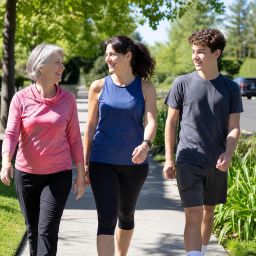
- Move together: Group walks or exercise classes combine activity and social time. Our balance and strength routine is great to do with a friend.
- Help others: Volunteering is linked to better mood and a sense of purpose.
- Address barriers: If hearing loss makes conversation hard, get a hearing check. Ask about transportation services if getting out is difficult.
- Use technology wisely: Video calls can help you stay close to distant family. Scrolling social media often doesn’t.
When it’s more than loneliness
Loneliness and depression often go together. If you feel persistently down, hopeless or stop enjoying things, talk to your doctor or a counselor.
If you or someone you know is in crisis, call or text 988 or chat at 988lifeline.org to reach the 988 Suicide & Crisis Lifeline. If there’s immediate danger, call 911.
The bottom line
Social connection is as important to health as sleep, diet and exercise. Small, regular steps to reach out can protect your heart, your brain and your mood. For more ways to stay well, see our guide to healthy aging daily habits.
Common questions
Can pets help with loneliness?
Many people find pets provide comfort, routine and a reason to get out, which can help. They work best alongside human connection, not instead of it.
Is it normal to feel lonely after retiring?
Yes. Retirement can mean losing daily contact with coworkers. Planning new routines, volunteering or part-time work can help fill that gap.
How can I help a lonely friend or relative?
Reach out regularly, even with a short call or text. Invite them to join you for a walk, a meal or an activity, and listen without judgment.
Does social media make loneliness worse?
It can. Passive scrolling is linked to more loneliness, while using it to plan real-life meetups or stay in touch with close friends may help.
This article is for general information and isn’t medical advice. Talk with your healthcare provider about your individual needs.