

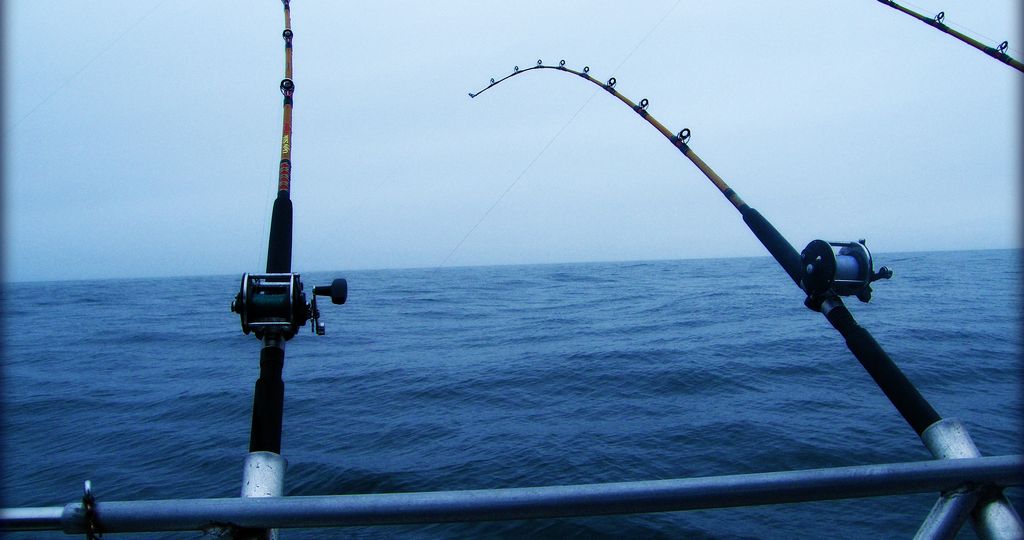
Anglers have long said that a few quiet hours by the water clear the mind. Research from Anglia Ruskin University in England suggests there may be real mental health benefits behind that feeling, especially for people facing serious mental health challenges.
What the research found
The team surveyed about 1,900 adults in the UK and compared people who fished recreationally with people who didn’t. Those who fished reported significantly lower rates of anxiety disorders, as well as fewer cases of self-harm and suicide attempts.
The study shows an association, not proof that fishing causes better mental health. People who are already doing better may be more likely to take up fishing, for example. Still, the findings support what many anglers and mental health charities have described for years, and the researchers see fishing as a promising way to combine relaxation with physical activity.
Why fishing may help
Fishing brings together several things that are known to be good for wellbeing:
- Time in nature. Spending time around green spaces and water is linked to lower stress and better mood.
- Gentle physical activity. Walking to a spot, casting and moving around gets the body working without feeling like a workout.
- Focused attention. Watching the line and the water can work a bit like mindfulness, giving a break from worrying thoughts.
- A sense of achievement. Learning a skill and making a catch can lift confidence and self-esteem.
- Connection. Fishing with friends, family or a group offers easy, low-pressure company.
Fishing as a “green prescription”
In the UK, angling has been recognized as a form of social prescribing, where health professionals connect people with community activities to support their wellbeing alongside, or instead of, medical treatment. A charity called Tackling Minds, which runs fishing sessions for people with mental health conditions, campaigned for that recognition after hearing from participants how much the sessions had helped them.
Fishing is also more accessible than many outdoor sports. An earlier study by the same university found that people with disabilities fished at similar rates and for similar reasons as others, although cost, transportation and not having someone to go with could get in the way.
How to get started
- Start small. A local lake, river or pier is enough. You don’t need a boat or expensive gear.
- Check the rules. Most areas require a fishing license, and many offer free fishing days or programs for beginners.
- Go with someone. A friend, family member or local fishing club makes it easier to learn and more enjoyable.
- Make it about the experience. The calm, the fresh air and the time away from screens matter more than the catch.
- Stay safe. Wear a life jacket on boats or near deep water, protect yourself from the sun, and tell someone where you’re going.
Fishing isn’t a replacement for professional care. If you’re struggling with your mental health, talk with your doctor or a mental health professional. If you’re in crisis or thinking about harming yourself, reach out right away. In the U.S., you can call or text 988 to reach the Suicide & Crisis Lifeline, and in other countries your local emergency number can connect you with help.
The bottom line
Recreational fishing combines nature, gentle movement, focus and connection, all of which support mental wellbeing. For many people, a few hours by the water could be a simple, accessible way to ease stress and lift their mood.
This article is for general information and isn’t medical advice. Talk with your healthcare provider about your individual needs.
Sources
- Anglia Ruskin University: Fishing could ease severe mental health issues, 2022.
- Study on fishing participation among people with disabilities. International Journal of Environmental Research and Public Health, 2022.
- UK Government: Social prescribing guidance.
- Tackling Minds: angling for mental health.
