Everyone feels anxious sometimes, before a job interview, a medical test or a big decision. That kind of anxiety is normal and can even help you focus. But when worry is constant, hard to control and gets in the way of daily life, it may be an anxiety disorder. About 1 in 5 U.S. adults has one in a given year, making anxiety the most common mental health condition.
Common signs
Anxiety affects both mind and body. Signs include:
- Worrying most days, about many things, and finding it hard to stop
- Feeling restless, on edge or easily tired
- Trouble concentrating or your mind going blank
- Irritability
- Muscle tension, headaches or stomach upset
- Trouble falling or staying asleep
- Racing heart, shortness of breath or sweating
- Avoiding places or situations that trigger worry
Types of anxiety disorders include generalized anxiety disorder, panic disorder, social anxiety and specific phobias. Some physical conditions, like thyroid problems, and some medicines or too much caffeine can cause similar symptoms, so it’s worth seeing a doctor.
Everyday tools that help
- Slow your breathing: Breathe in for 4 counts, hold for 4, out for 6. Slow exhales calm the body’s stress response.
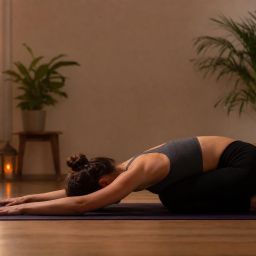
- Move your body: Regular exercise reduces anxiety. Learn more about exercise and mental health, or try our gentle yoga routine for stress relief.
- Protect your sleep: Poor sleep and anxiety feed each other. See sleep and mental health.
- Cut back on caffeine and alcohol: Both can worsen anxiety.
- Name the worry: Writing worries down, or setting a short daily “worry time,” can make them feel more manageable.
- Ground yourself: Notice 5 things you see, 4 you hear, 3 you can touch, 2 you smell and 1 you taste.
- Stay connected: Talking with someone you trust helps. Loneliness can make anxiety worse.
Treatment works
Anxiety disorders are very treatable. Options include:
- Therapy: Cognitive behavioral therapy (CBT) teaches you to notice and change anxious thought patterns and gradually face fears. It’s one of the most effective treatments.
- Medication: Certain antidepressants (SSRIs and SNRIs) are commonly used for anxiety. Your doctor can explain benefits and side effects.
- Both together: Often the most effective approach.
When to get help
Talk with your doctor or a mental health professional if anxiety lasts for weeks, affects work, school or relationships, or leads you to avoid things you need to do. Your primary care doctor is a good place to start.
If you or someone you know is in crisis, call or text 988 or chat at 988lifeline.org to reach the 988 Suicide & Crisis Lifeline. If there’s immediate danger, call 911.
What this means for you
- Anxiety is common, and you’re not alone.
- Small daily habits can lower anxiety.
- If it’s affecting your life, effective help is available.
The bottom line
Some anxiety is part of life, but constant worry isn’t something you have to live with. Try practical coping tools, and reach out for help if anxiety is getting in your way. If you also feel down or hopeless, read about the signs of depression.
Common questions
What’s the difference between stress and anxiety?
Stress is usually a response to a specific situation and eases when it passes. Anxiety can continue without a clear cause and may persist long after a stressful event ends.
Can anxiety cause chest pain?
Yes, anxiety and panic attacks can cause chest tightness. But chest pain can also signal a heart problem. If you’re not sure, seek medical care right away.
Are anxiety apps helpful?
Some apps can help with breathing, mindfulness or CBT skills. Look for ones backed by research and that protect your privacy.
This article is for general information and isn’t medical advice. Talk with your healthcare provider about your individual needs.