Bird flu, or avian influenza, has been making headlines since an H5N1 strain began spreading widely among wild birds, poultry and, starting in 2024, dairy cattle in the United States. While human infections have occurred, health officials consider the current risk to the general public to be low. Here’s what to know.
What is bird flu?
Avian influenza viruses mainly infect birds. The H5N1 strain currently circulating has also infected a range of mammals, including dairy cows, cats and other animals. Health experts watch these viruses closely because influenza viruses can change, and a virus that spreads easily between people could cause a pandemic.
Human cases in the U.S.
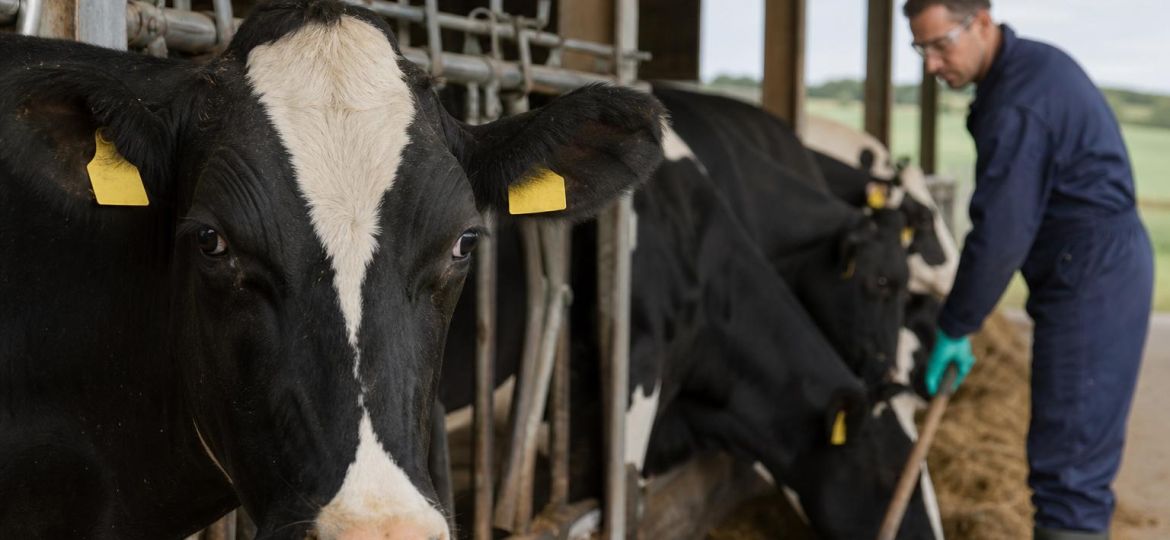
Since 2024, the U.S. has recorded more than 70 human H5 infections. Most were linked to direct contact with infected dairy cows or poultry, often among farmworkers. Most cases have been mild, frequently involving eye redness (conjunctivitis), though there have been two deaths. In October 2026, Washington state reported the first U.S. human H5N1 case of the year, in a person exposed to infected dairy cattle. Local health officials said the risk to the general public remains low.
Importantly, there has been no sustained person-to-person spread of H5N1 in the U.S.
How people get infected
- Close, unprotected contact with sick or dead birds, poultry or infected animals
- Contact with raw milk, droppings or other materials from infected animals
- Touching contaminated surfaces and then the eyes, nose or mouth
Symptoms in people
- Eye redness or irritation (conjunctivitis)
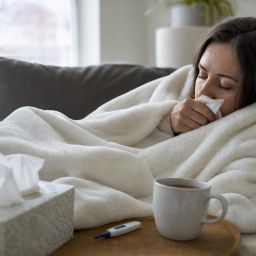
- Fever, cough and sore throat
- Muscle aches and fatigue
- In severe cases, pneumonia and difficulty breathing
How to protect yourself
- Avoid contact with sick or dead wild birds, poultry and other animals. Report dead birds to your state wildlife agency.
- Don’t drink raw (unpasteurized) milk or eat raw milk products. Pasteurization kills the virus.
- Cook poultry and eggs thoroughly. Properly cooked poultry and eggs are safe to eat.
- Protect pets. Keep cats away from wild birds and don’t feed pets raw food or raw milk, since cats have become sick and died after exposure.
- If you work with animals, use recommended protective equipment, such as gloves, eye protection and a respirator.
Is there a vaccine or treatment?
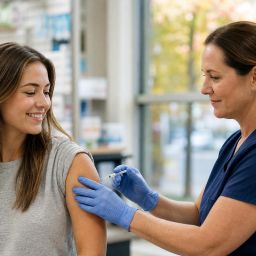
Seasonal flu vaccines don’t protect against H5N1, but they reduce the chance of being infected with seasonal and bird flu at the same time. The U.S. maintains stockpiled H5 vaccine candidates for use if needed. Flu antiviral medicines like oseltamivir are expected to work against current H5N1 strains.
What this means for you
For most people, the risk is low. If you develop eye redness or flu-like symptoms within 10 days of contact with sick animals, raw milk or contaminated areas, contact your doctor and mention your exposure so you can be tested and treated promptly.
The bottom line
H5N1 bird flu is widespread in animals, and a small number of people with close animal contact have been infected. The risk to the general public remains low. Avoiding sick animals, skipping raw milk and cooking poultry thoroughly are the best ways to protect yourself.
Common questions
Is it safe to eat chicken and eggs?
Yes, when they’re properly handled and cooked. Cook poultry to 165°F and eggs until the yolks and whites are firm.
Can I get bird flu from my backyard bird feeder?
The risk is very low. Clean feeders regularly, wash your hands after handling them and avoid touching sick or dead birds.
This article is for general information and isn’t medical advice. Talk with your healthcare provider about your individual needs.