High blood pressure often has no symptoms, but it quietly raises the risk of heart attack, stroke and kidney disease. The good news is that what you eat can make a real difference. The DASH diet, short for Dietary Approaches to Stop Hypertension, was developed through research funded by the National Heart, Lung, and Blood Institute (NHLBI) specifically to help lower blood pressure.
DASH isn’t a fad or a short-term plan. It’s a flexible, balanced way of eating that the whole family can enjoy.
What the DASH diet emphasizes
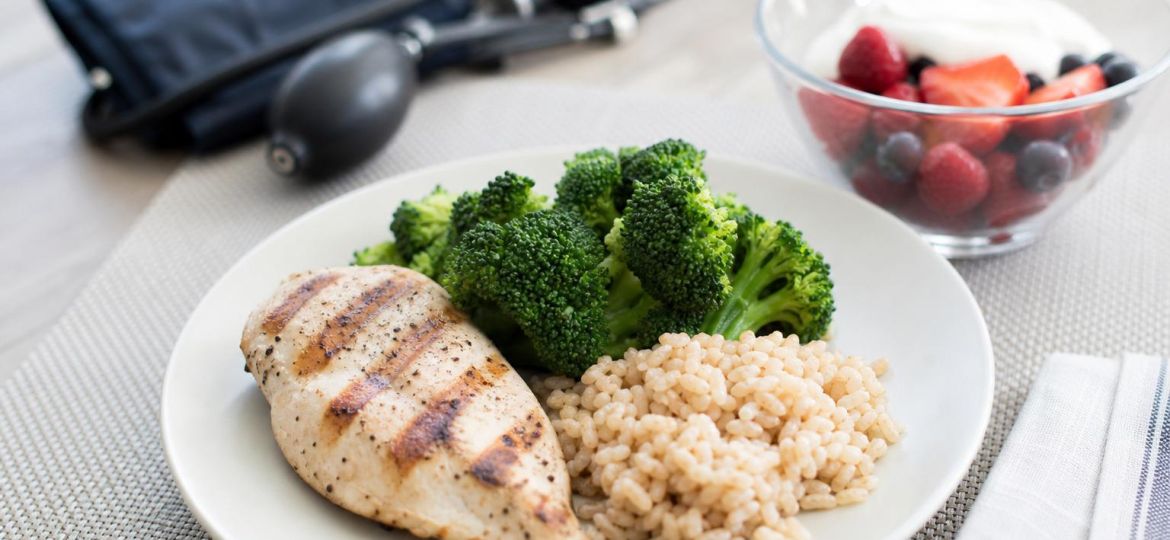
- Vegetables and fruits, which provide potassium, magnesium and fiber.
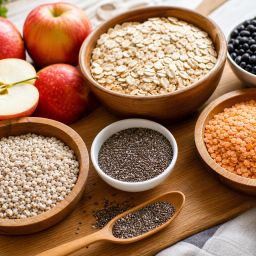
- Whole grains like oatmeal, brown rice and whole-wheat bread.
- Low-fat or fat-free dairy, a source of calcium.
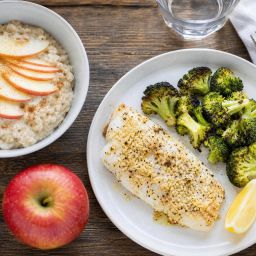
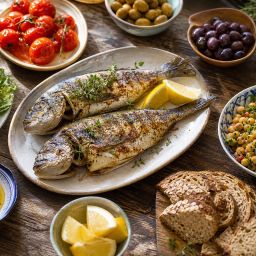
- Lean proteins such as fish, poultry, beans, nuts and seeds.
- Vegetable oils in place of solid fats.
What DASH limits
- Sodium, especially from processed and restaurant foods.
- Saturated fat, found in fatty meats, full-fat dairy and tropical oils.
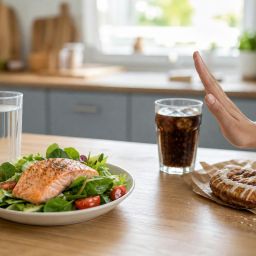
- Sugar-sweetened drinks and sweets.
How much sodium?
The standard DASH plan limits sodium to 2,300 milligrams a day, about a teaspoon of salt. A lower-sodium version limits it to 1,500 milligrams a day, which NHLBI research found lowered blood pressure even more. Your doctor can tell you which target is right for you.
Most sodium doesn’t come from the salt shaker. It’s hidden in bread, deli meats, canned soups, sauces, frozen meals and restaurant food. Cooking more at home is one of the most effective ways to cut back.
How DASH lowers blood pressure
The plan works in several ways at once. Eating less sodium helps the body hold on to less fluid, easing pressure on blood vessel walls. Potassium, magnesium and calcium from fruits, vegetables and dairy help regulate blood pressure. And the diet’s emphasis on whole foods and fiber supports a healthy weight, which also helps lower blood pressure.
In research studies, the DASH eating plan lowered blood pressure within just a few weeks. Because high blood pressure is the leading risk factor for stroke, eating this way is also an important part of stroke prevention.
Easy ways to start
- Add a serving of vegetables to lunch and dinner.
- Swap one processed snack for fruit, unsalted nuts or yogurt.
- Choose “no-salt-added” or “low-sodium” canned goods and broths.
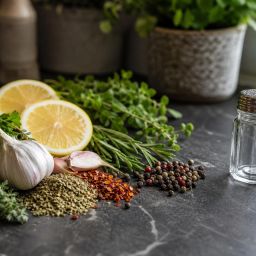
- Season with herbs, spices, garlic and citrus instead of salt.
- Read Nutrition Facts labels and compare sodium between brands.
DASH-friendly recipes to try
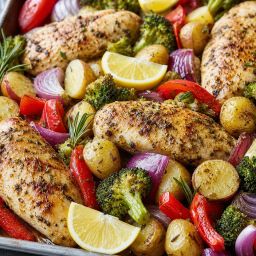
- Low-Sodium Lemon Herb Chicken with Roasted Vegetables: big flavor from herbs and lemon, with almost no added salt.
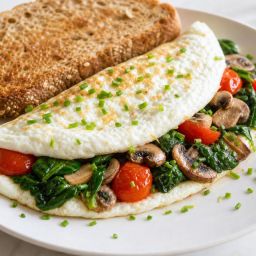
- Spinach and Mushroom Egg-White Omelet (DASH-Style): a quick, protein-rich breakfast.
What this means for you
Diet works best alongside other healthy habits. Regular physical activity, such as our brisk walking interval plan, limiting alcohol, not smoking and maintaining a healthy weight all add to the benefits.
If you take blood pressure medicine, keep taking it as prescribed. Changing your diet may affect your readings over time, so check your blood pressure regularly and talk with your doctor before making changes to your medicines. People with kidney disease should check with their doctor before increasing potassium.
The bottom line
The DASH diet focuses on vegetables, fruits, whole grains, lean proteins and low-fat dairy while limiting sodium and saturated fat. It’s a proven, practical way to lower blood pressure and protect your heart and brain.
Common questions
How quickly does the DASH diet work?
In the original research studies, blood pressure started to drop within about two weeks. Results vary, so keep monitoring your numbers and share them with your doctor.
Is DASH only for people with high blood pressure?
No. DASH is a balanced, heart-healthy eating pattern that can benefit almost anyone, including people who want to prevent high blood pressure in the first place.
This article is for general information and isn’t medical advice. Talk with your healthcare provider or a registered dietitian about your individual needs, especially if you have a health condition or food allergies.