Healthy habits can lower blood pressure, but many people also need medicine to reach a safe level. If your doctor has prescribed blood pressure medicine, or mentioned it as an option, it helps to understand the main types and how they work. This overview is for general education. Your doctor will choose the right medicine based on your health, other conditions and how your body responds.
Common types of blood pressure medicines
The American Heart Association describes several major classes of blood pressure medicines:
- Diuretics (“water pills”): help the kidneys remove extra sodium and water from the body, which lowers the volume of blood. Thiazide diuretics are often a first choice.
- ACE inhibitors: block the production of a hormone that narrows blood vessels, allowing them to relax. Names often end in “-pril.”
- Angiotensin II receptor blockers (ARBs): block the action of that same hormone, also relaxing blood vessels. Names often end in “-sartan.”
- Calcium channel blockers: relax the muscles of blood vessel walls, and some also slow the heart rate.
- Beta blockers: make the heart beat more slowly and with less force. They’re often used for people who also have certain heart conditions.
Other medicines, such as alpha blockers, central-acting agents and vasodilators, may be used in specific situations.
Why many people take more than one
It’s common to need two or more medicines to reach a healthy blood pressure, especially with stage 2 high blood pressure. Combining medicines that work in different ways often lowers blood pressure more effectively, sometimes at lower doses. Some combinations are available in a single pill.
Possible side effects
Side effects vary by medicine. Examples include a dry cough with ACE inhibitors, more frequent urination with diuretics, ankle swelling with some calcium channel blockers and tiredness with beta blockers. Some medicines can affect potassium levels or kidney function, so your doctor may order blood tests. Tell your doctor about any side effects. There are usually alternatives.
Tips for taking blood pressure medicine
- Take it every day, even when you feel fine. High blood pressure usually has no symptoms.
- Don’t stop suddenly without talking to your doctor. Stopping some medicines abruptly can be dangerous.
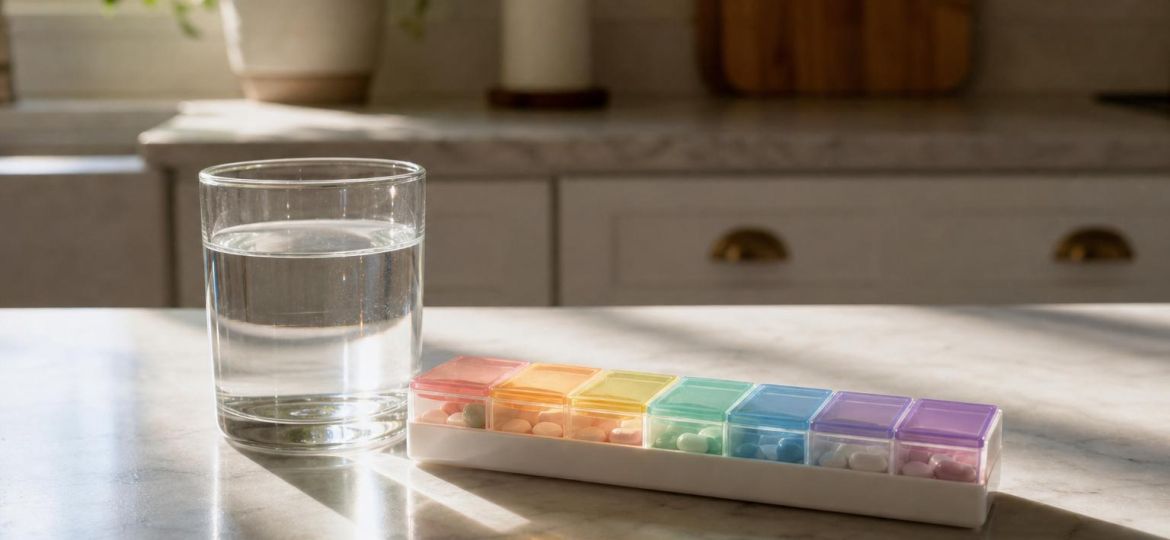
- Use reminders, like a pill organizer or phone alarm.
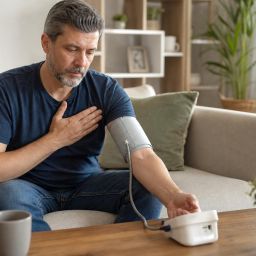
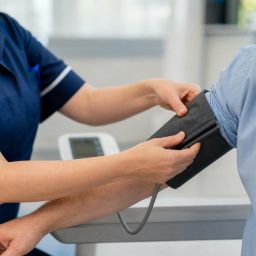
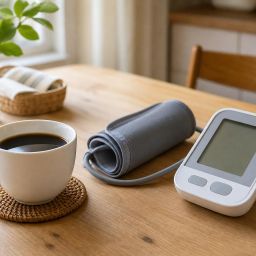
- Check your blood pressure at home to see how well treatment is working. Learn how to measure it correctly.
- Ask about interactions. Some over-the-counter pain relievers (NSAIDs), decongestants and supplements can raise blood pressure or interact with your medicine.
- Tell your doctor if you’re pregnant or planning to be, since some blood pressure medicines aren’t safe during pregnancy.
Lifestyle still matters
Medicine works best alongside healthy habits. Following the DASH diet, cutting back on sodium, exercising, limiting alcohol and maintaining a healthy weight may help you need fewer or lower doses. Try our Low-Sodium Lemon Herb Chicken for a flavorful, low-salt dinner.
What this means for you
If you’re prescribed blood pressure medicine, ask your doctor what it does, how to take it, which side effects to watch for and what your target blood pressure is. Bring a list of all your medicines and supplements to each appointment.
The bottom line
Several types of medicine can lower blood pressure, and many people need more than one. Taking your medicine consistently, monitoring your blood pressure and keeping up healthy habits are the keys to protecting your heart, brain and kidneys.
Common questions
Will I have to take blood pressure medicine forever?
Many people need long-term treatment, but some can reduce or stop medicine after significant lifestyle changes, such as weight loss. Never change your medicine without your doctor’s guidance.
This article is for general information and isn’t medical advice. Talk with your healthcare provider about your individual needs.