Living longer is wonderful, but most of us also want to stay healthy, active and independent for as many of those years as possible. While genetics play a role, everyday habits have a powerful influence on how we age. The good news is that it’s never too late to start.
Here are the daily habits that matter most for staying strong, sharp and independent.
1. Move every day
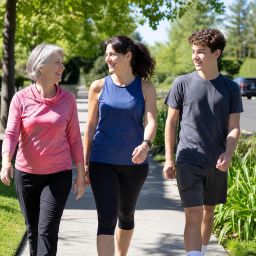
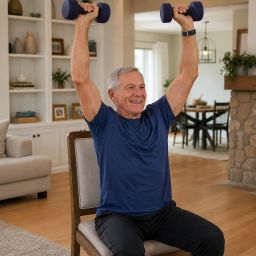
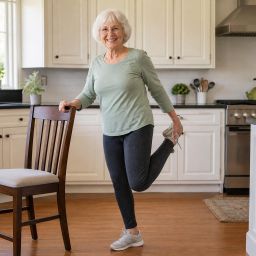
Physical activity is one of the most important things you can do as you age. It supports your heart, muscles, bones, balance, mood and memory. Experts recommend four types of exercise for older adults: endurance (like walking), strength, balance and flexibility. Aim for about 150 minutes of moderate activity a week, plus strength training twice a week and regular balance practice.
- Brisk Walking Interval Plan: an easy way to build endurance.
- Balance and Strength Routine for Older Adults: helps prevent falls.
2. Eat for energy and muscle
Focus on vegetables, fruits, whole grains, beans, fish and healthy fats. Many older adults need to pay extra attention to protein to help maintain muscle, as well as calcium, vitamin D and vitamin B12. Appetite and thirst can decrease with age, so eat regular meals and drink water throughout the day.
Try these easy, nutritious recipes:
3. Protect your sleep
Older adults still need about 7 to 9 hours of sleep. Keep a regular sleep schedule, limit caffeine later in the day and talk with your doctor about persistent sleep problems, which can be linked to health conditions or medicines.
4. Stay socially connected
Loneliness and social isolation are linked to a higher risk of health problems, including heart disease and cognitive decline. Make time for family and friends, join a club or class, volunteer or take part in community activities.
5. Keep your mind active
Learning new skills, reading, playing games, doing puzzles and engaging in hobbies help keep your mind engaged. Physical activity and good heart health also support brain health.
6. Keep up with checkups
- See your doctor regularly and keep up with recommended screenings and vaccines.
- Review your medicines at least once a year.
- Get your vision and hearing checked. Untreated hearing loss is linked to social isolation and cognitive decline.
- Manage chronic conditions like high blood pressure and diabetes.
7. Make your home work for you
Simple changes, like better lighting, grab bars in the bathroom and removing tripping hazards, can help prevent falls and make daily life easier.
What this means for you
You don’t have to do everything at once. Pick one habit to focus on this month, such as a daily walk or calling a friend twice a week, and add more over time. Small, consistent changes add up to big benefits for your health and independence.
The bottom line
Regular movement, nutritious food, good sleep, social connection, mental engagement and preventive care are the foundations of healthy aging. It’s never too late to start building these habits.
Common questions
Is it too late to start exercising in my 70s or 80s?
No. Research shows older adults can improve strength, balance and endurance at any age. Start slowly and talk with your doctor about what’s safe for you.
What’s the single most important habit?
Staying physically active may have the broadest benefits, since it supports the heart, muscles, bones, balance, mood and brain all at once.
This article is for general information and isn’t medical advice. Check with your doctor before starting a new exercise program, especially if you have heart disease, diabetes, high blood pressure, joint problems, a lung condition or another health concern. Stop and seek medical help if you feel chest pain, dizziness, faintness or severe shortness of breath.