You’ve probably heard that exercise is good for you, but how much is enough? The answer is simpler than you might think, and the bar for getting real health benefits is lower than many people assume. Here’s a plain-language guide to the official recommendations for adults and older adults.
The guidelines for adults
According to the CDC and the American Heart Association, adults should aim for:
- At least 150 minutes a week of moderate-intensity aerobic activity, such as brisk walking, or 75 minutes of vigorous activity, such as running, or a combination of the two.
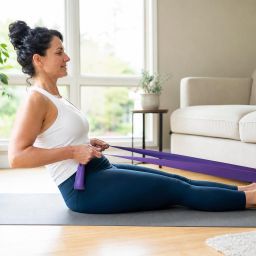
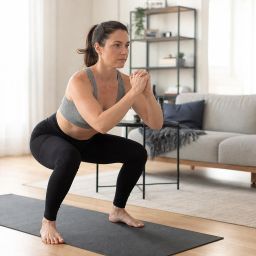
- Muscle-strengthening activities on at least 2 days a week that work all major muscle groups: legs, hips, back, abdomen, chest, shoulders and arms.
Breaking it down, 150 minutes is just 30 minutes a day, 5 days a week. You can also split it into shorter chunks. Three 10-minute walks count the same as one 30-minute walk.
What counts as moderate or vigorous?
A simple way to tell is the talk test:
- Moderate: you can talk but not sing. Examples include brisk walking, water aerobics, doubles tennis, gardening and biking on level ground.
- Vigorous: you can say only a few words before pausing for breath. Examples include running, swimming laps, singles tennis and hiking uphill.
Guidelines for adults 65 and older
Older adults should aim for the same 150 minutes of moderate aerobic activity and 2 days of muscle strengthening, with one important addition: balance training. Activities like standing on one foot, heel-to-toe walking and tai chi help prevent falls, a leading cause of injury in older adults.
If chronic conditions make it hard to reach these goals, older adults should be as physically active as their abilities allow. Some activity is always better than none.
Sit less, move more
The guidelines also stress reducing sedentary time. Even people who exercise regularly can benefit from breaking up long periods of sitting with short movement breaks throughout the day.
Workouts to help you get there
- 20-Minute Beginner Full-Body Workout: covers your 2 days of muscle strengthening at home.
- Brisk Walking Interval Plan for Heart Health: a 4-week plan to build up to 150 minutes a week.
- Balance and Strength Routine for Older Adults: adds the balance training recommended after 65.
What this means for you
If you’re not active now, don’t let 150 minutes intimidate you. Start with 5 or 10 minutes a day and add a few minutes each week. The biggest health gains come when people go from doing nothing to doing something.
Choose activities you enjoy, since you’re more likely to stick with them. And if you have a heart condition, diabetes, arthritis or another health concern, talk with your doctor about the types and amounts of activity that are safe for you.
The bottom line
Most adults need at least 150 minutes of moderate aerobic activity and 2 days of strength training each week. Adults over 65 should add balance exercises. Start where you are, build gradually and remember that every bit of movement counts.
Common questions
Can I do all 150 minutes on the weekend?
Being active on just one or two days a week still offers health benefits, but spreading activity across the week is generally easier on your body and helps build a lasting habit.
Does housework or gardening count?
Yes, if it gets your heart rate up to a moderate level. Vigorous yard work, scrubbing floors and carrying groceries up stairs can all count.
This article is for general information and isn’t medical advice. Check with your doctor before starting a new exercise program, especially if you have heart disease, diabetes, high blood pressure, joint problems, a lung condition or another health concern. Stop and seek medical help if you feel chest pain, dizziness, faintness or severe shortness of breath.