With the end of daylight saving time just days away, evenings are about to get a lot darker. For many people, that means feeling a bit sluggish. For some, it brings something more serious: seasonal affective disorder, or SAD, a type of depression that follows the seasons.
What is SAD?
SAD is depression that starts and ends at about the same time each year. Most often it begins in late fall or early winter and lifts in spring. It’s more common in women, young adults and people living farther from the equator, where winter days are shorter. A milder version, often called the winter blues, is even more common.
Experts think reduced sunlight disrupts the body’s internal clock and affects brain chemicals like serotonin and the sleep hormone melatonin.
Signs to watch for
- Feeling down most of the day, nearly every day
- Losing interest in activities you usually enjoy
- Low energy and feeling sluggish
- Oversleeping
- Craving carbohydrates and gaining weight
- Withdrawing from others, sometimes described as feeling like hibernating
- Trouble concentrating
If these symptoms return around the same time each year and last for weeks, talk to your doctor.
Treatments that work
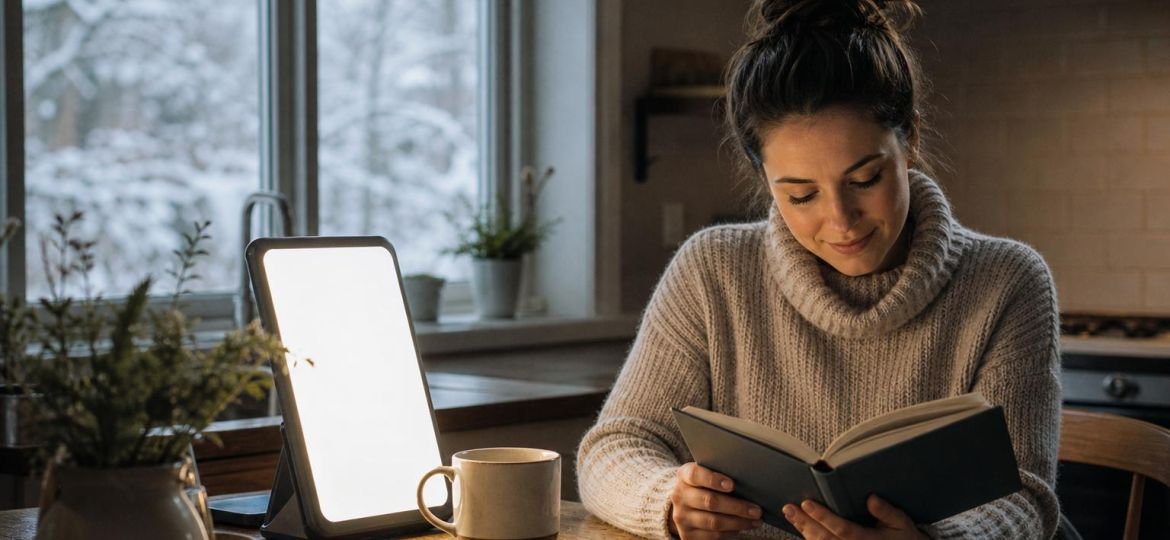
- Light therapy: Sitting near a special light box, usually 10,000 lux, for 20 to 30 minutes each morning can ease symptoms, often within a couple of weeks. Ask your doctor before starting, especially if you have eye conditions or bipolar disorder.
- Talk therapy: A version of cognitive behavioral therapy designed for SAD (CBT-SAD) helps and may have longer-lasting benefits than light therapy.
- Medication: Antidepressants can help. For people with a history of SAD, doctors sometimes start medication before symptoms typically begin.
- Vitamin D: Low levels are common in winter, but research on vitamin D as a treatment for SAD is mixed. Ask your doctor whether testing makes sense.
Everyday steps
- Get outside in daylight, especially in the morning, even on cloudy days.
- Open blinds and sit near windows.
- Keep moving. Indoor options like our beginner full-body workout help on cold days.
- Keep a regular sleep schedule.
- Plan social time. Winter can be isolating, and connection matters.
- Eat balanced meals. Warm options like our black bean sweet potato chili can satisfy carb cravings with fiber and protein.
If you or someone you know is in crisis, call or text 988 or chat at 988lifeline.org to reach the 988 Suicide & Crisis Lifeline. If there’s immediate danger, call 911.
The bottom line
SAD is a real and treatable form of depression. If shorter days bring a heavy, lasting low mood, don’t just wait for spring. Light therapy, therapy and daily habits can help you feel better this winter.
Common questions
Can I use any bright lamp for light therapy?
No. Light boxes for SAD are designed to provide 10,000 lux while filtering out UV light. Regular lamps aren’t bright enough.
Can SAD happen in summer?
Yes, though it’s less common. Summer-pattern SAD may cause trouble sleeping, poor appetite and restlessness.
When should I start light therapy?
Many people start in early fall, before symptoms usually begin, and continue until spring. Your doctor can help you plan timing.
Is SAD the same as the holiday blues?
No. The holiday blues are short-term feelings tied to holiday stress. SAD is a pattern of depression that returns each year with the seasons.
This article is for general information and isn’t medical advice. Talk with your healthcare provider about your individual needs.