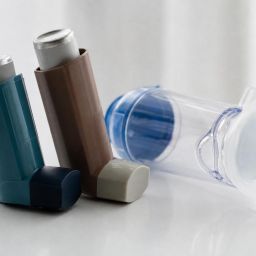
An asthma attack happens when the muscles around your airways tighten, the lining swells and extra mucus forms, making it hard to breathe. Attacks can range from mild to life-threatening. Knowing what to do, and acting quickly, can prevent a mild attack from becoming an emergency.
Signs of an asthma attack
- Coughing that won’t stop
- Wheezing (a whistling sound when breathing)
- Chest tightness or pain
- Shortness of breath or rapid breathing
- Difficulty talking in full sentences
- Feeling anxious or panicked
Step by step: what to do
- Stop what you’re doing and sit upright. Don’t lie down. Sitting up helps open your airways.
- Use your rescue inhaler right away, as directed in your asthma action plan. Using a spacer helps more medicine reach your lungs.
- Stay calm and breathe slowly. Try to take slow, steady breaths. Panic can make breathing harder.
- Follow your action plan’s steps for repeat doses of your rescue medicine.
- Move away from triggers, such as smoke, dust or cold air, if you can.
- If you feel better, follow up with your doctor. An attack is a sign your treatment may need adjusting.
Call 911 or go to the ER if:
- Your rescue inhaler isn’t helping, or symptoms return quickly
- You’re struggling to breathe, walk or talk
- Your lips, face or fingernails are turning blue or gray
- The skin around your ribs or neck pulls in with each breath
- You feel confused, drowsy or very anxious
- Your peak flow is below 50% of your personal best
If you’re waiting for emergency help, keep using your rescue inhaler as directed by your action plan or emergency dispatcher.
How to help someone having an asthma attack
- Stay calm and reassure them.
- Help them sit upright.
- Help them use their rescue inhaler.
- Loosen tight clothing.
- Call 911 if they don’t improve quickly or show emergency signs.
- Stay with them until help arrives.
After an attack
See your doctor within a few days, even if you feel better. Your doctor may:
- Adjust your controller medicines
- Prescribe a short course of oral steroids
- Check your inhaler technique
- Review and update your action plan
- Help identify what triggered the attack. See common asthma triggers.
Preventing future attacks
- Take controller medicines every day as prescribed.
- Avoid known triggers.
- Get recommended vaccines, since respiratory infections are a leading trigger.
- Keep your rescue inhaler with you and check that it’s not empty or expired.
What this means for you
Make sure you, your family and those around you know where your rescue inhaler is and what to do in an emergency. Practice the steps in your action plan so you can act quickly when it matters.
The bottom line
During an asthma attack, sit upright, use your rescue inhaler right away and follow your action plan. Call 911 if your inhaler isn’t helping or you have emergency warning signs.
Common questions
What if I don’t have my rescue inhaler?
Sit upright, try to stay calm and breathe slowly, move away from triggers, and call 911 if your symptoms are severe or not improving.
Can a severe asthma attack be fatal?
Yes. Asthma attacks can be life-threatening, which is why it’s important to act quickly and get emergency care when warning signs appear.
How long does an asthma attack last?
Mild attacks may ease within minutes with a rescue inhaler. Severe attacks can last hours or days and need medical care. Follow your action plan and seek help if you’re not improving.
This article is for general information and isn’t medical advice. Talk with your healthcare provider about your individual needs.