Over-the-counter (OTC) pain relievers are some of the most commonly used medicines in the world. They’re safe and effective for most people when used as directed. But taking too much, taking them too often or combining products can harm two vital organs: the liver and the kidneys.
The two main types of OTC pain relievers
- Acetaminophen (found in Tylenol and many combination products) relieves pain and fever.
- NSAIDs (nonsteroidal anti-inflammatory drugs), including ibuprofen (Advil, Motrin), naproxen (Aleve) and aspirin, relieve pain, fever and inflammation.
Acetaminophen and your liver
Acetaminophen is processed by the liver. At recommended doses it’s generally safe, but too much can cause serious, even life-threatening, liver damage. Risks increase when people:
- Take more than the label says. Follow the maximum daily dose on the package, and don’t exceed it.
- Take more than one product containing acetaminophen. It’s found in hundreds of medicines, including many cold, flu, sleep and prescription pain medicines. Check the “active ingredients” on every label.
- Drink alcohol regularly. People who have three or more drinks a day should ask a doctor before using acetaminophen.
- Have liver disease. Ask your doctor what dose is safe for you.
NSAIDs and your kidneys
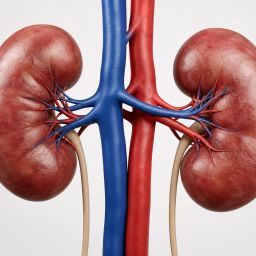
NSAIDs reduce blood flow to the kidneys. Occasional use is usually fine for healthy people, but the National Kidney Foundation warns that regular or heavy use can damage the kidneys. The risk is higher for people who:
- Have chronic kidney disease, diabetes, high blood pressure or heart failure
- Are older adults
- Are dehydrated, for example from illness, heat or exercise
- Take certain blood pressure medicines, such as ACE inhibitors, ARBs or diuretics
NSAIDs can also raise blood pressure, cause stomach bleeding and interact with blood thinners.
Tips for using pain relievers safely
- Use the lowest effective dose for the shortest time.
- Read every label and check active ingredients to avoid doubling up.
- Don’t take OTC pain relievers for more than 10 days for pain or 3 days for fever without talking to your doctor.
- Stay hydrated, especially when taking NSAIDs.
- Tell your doctor and pharmacist about all medicines and supplements you take.
- If you have kidney or liver disease, ask which pain reliever is safest for you.
Warning signs to watch for
Contact a doctor if you notice yellowing of the skin or eyes, dark urine, pain in the upper right abdomen, unusual fatigue, swelling in the legs or a big change in how much you urinate. If you think someone has taken too much acetaminophen, call Poison Control (1-800-222-1222) or 911 right away, even if they feel fine. Liver damage may not cause symptoms at first.
What this means for you
If you have chronic kidney disease, diabetes or liver disease, ask your doctor which pain relievers are safest. Learn more about protecting your kidneys in our kidney-friendly diet guide.
The bottom line
OTC pain relievers are safe for most people when used as directed. Too much acetaminophen can damage the liver, and frequent NSAID use can harm the kidneys. Read labels, avoid doubling up and talk with your doctor if you need pain relief often.
Common questions
Which pain reliever is safer for kidney disease?
Acetaminophen is often preferred for people with kidney disease, but the right choice depends on your health. Ask your doctor.
Are natural or herbal pain remedies safer?
Not necessarily. Some herbal supplements can harm the liver or interact with medicines. Talk with your doctor or pharmacist before using them.
This article is for general information and isn’t medical advice. Talk with your healthcare provider about your individual needs.