During a stroke, every minute counts. When blood flow to part of the brain is blocked or a blood vessel bursts, brain cells begin to die within minutes. The faster a person gets emergency treatment, the better the chance of survival and recovery. Knowing the warning signs could help you save a life, maybe even your own.
Remember BE FAST
BE FAST is an easy way to remember the most common signs of stroke:
- B – Balance: sudden loss of balance, dizziness or trouble walking.
- E – Eyes: sudden loss of vision or blurred or double vision in one or both eyes.
- F – Face: one side of the face droops or feels numb. Ask the person to smile. Is the smile uneven?
- A – Arms: weakness or numbness in one arm or leg. Ask the person to raise both arms. Does one drift downward?
- S – Speech: slurred speech, trouble speaking or difficulty understanding. Ask the person to repeat a simple sentence.
- T – Time to call 911: if you see any of these signs, call 911 immediately, even if the symptoms go away.
Other sudden symptoms can include confusion and a severe headache with no known cause.
What to do if you suspect a stroke
- Call 911 right away. Don’t drive the person to the hospital yourself. Emergency medical teams can begin care on the way and alert the hospital.
- Note the time the symptoms started, or when the person was last seen well. This helps doctors decide on treatment.
- Stay with the person and keep them comfortable.
- Don’t give food, drink or medicine, including aspirin, unless instructed by emergency responders.
Why time matters
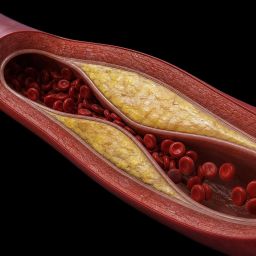
Most strokes are ischemic, caused by a clot blocking blood flow to the brain. Clot-busting medicine can restore blood flow, but it must be given within a few hours of when symptoms start. Some people with large clots can also have a procedure to remove the clot. The sooner treatment begins, the more brain tissue can be saved and the lower the risk of lasting disability.
Symptoms that go away still need care
Sometimes stroke symptoms last only a few minutes and then disappear. This may be a transient ischemic attack (TIA), sometimes called a mini-stroke. It’s a medical emergency and a serious warning sign. Learn more about TIA and why you shouldn’t ignore it.
Lowering your risk
Up to 80% of strokes may be preventable. The biggest risk factor is high blood pressure. Learn how high blood pressure affects the brain and other organs. Other important steps include not smoking, managing cholesterol and diabetes, staying active and getting treatment for atrial fibrillation.
What this means for you
Share BE FAST with your family and friends, especially older relatives. Post it on your refrigerator. Recognizing a stroke and calling 911 quickly is one of the most important things anyone can do.
The bottom line
Balance, Eyes, Face, Arms, Speech, Time. If you notice any sudden signs of stroke, call 911 immediately and note the time symptoms started. Fast action saves lives and brain function.
Common questions
Can young people have strokes?
Yes. Although stroke is more common with age, it can happen at any age. Never ignore stroke symptoms because a person seems too young.
What does FAST vs. BE FAST mean?
FAST (Face, Arms, Speech, Time) is the original version. BE FAST adds Balance and Eyes to help catch strokes that affect coordination and vision.
Should I give someone aspirin during a stroke?
No, not unless emergency responders tell you to. Some strokes are caused by bleeding, and aspirin could make them worse.
This article is for general information and isn’t medical advice. Talk with your healthcare provider about your individual needs.