

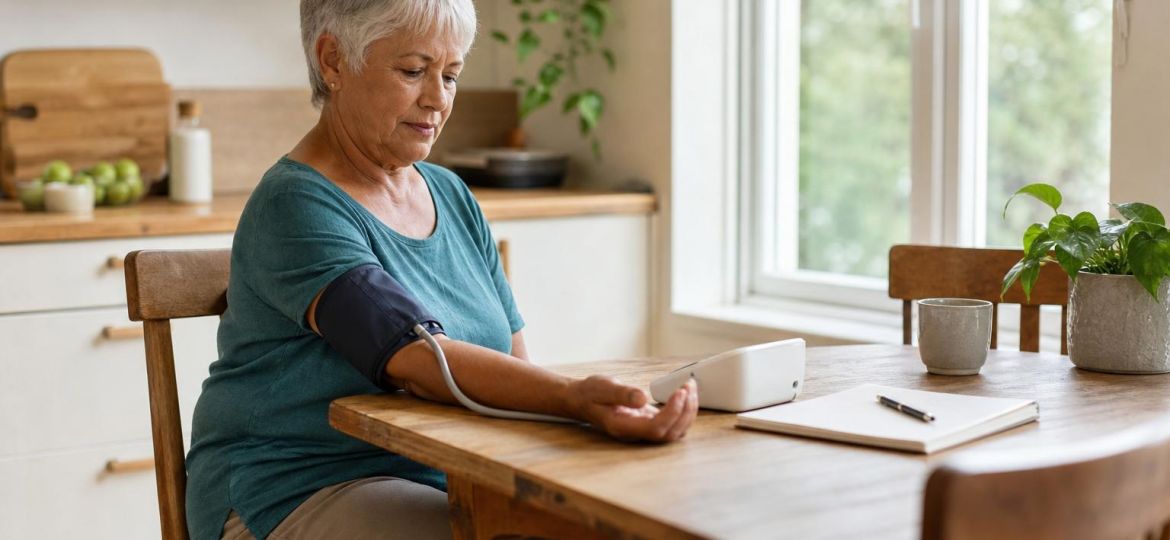
Checking your blood pressure at home is one of the best ways to understand and manage it. Home readings can confirm a diagnosis, show whether treatment is working and help your doctor make better decisions. The American Heart Association recommends home monitoring for people with high blood pressure. But to be useful, readings need to be accurate.
Choose the right monitor
- Use an upper-arm cuff. Automatic, upper-arm monitors are generally more reliable than wrist or finger devices.
- Look for a validated device. Choose a monitor that has been tested for accuracy. Ask your doctor or pharmacist, or look for one on a validated device list.
- Get the right cuff size. A cuff that’s too small or too large gives inaccurate readings. Measure around your upper arm and choose the matching size.
- Bring it to your appointment so your doctor can check it against office readings.
Before you measure
- Don’t smoke, exercise or drink caffeine for at least 30 minutes before.
- Empty your bladder.
- Sit quietly for 5 minutes before the first reading.
Step-by-step: getting an accurate reading
- Sit in a chair with your back supported and both feet flat on the floor. Don’t cross your legs.
- Rest your arm on a table so the cuff is at heart level.
- Place the cuff on bare skin, not over clothing, with the bottom edge just above the bend of your elbow.
- Stay still and don’t talk during the measurement.
- Take two or three readings about 1 minute apart, and record all of them.
- Measure at the same times each day, such as in the morning before medicine and in the evening.
Track your results
Write down each reading with the date and time, or use a monitor or app that stores results. Note anything that might affect your numbers, such as missed medicine, stress or illness. Share your log with your doctor, who will look at trends and averages rather than a single number.
To understand your readings, see our guide to blood pressure numbers.
Common mistakes
- Measuring right after coffee, exercise or a stressful event
- Using the wrong cuff size
- Letting your arm hang down or resting it too high
- Talking or looking at your phone during a reading
- Reacting to one high reading instead of looking at the average
When to call your doctor
Contact your doctor if your readings are consistently above your target. If a reading is higher than 180/120, wait a few minutes and measure again. If it’s still that high, contact your doctor right away. Call 911 if you also have chest pain, shortness of breath, numbness or weakness, vision changes or difficulty speaking.
What this means for you
Home monitoring puts you in control of your blood pressure and gives your doctor valuable information. It works best combined with healthy habits and, when needed, medicine taken as prescribed. Learn about common blood pressure medicines.
The bottom line
Use a validated upper-arm monitor, sit quietly with your back supported and arm at heart level, take two or three readings and keep a log. Accurate home readings help you and your doctor manage your blood pressure.
Common questions
Why are my home readings different from the doctor’s office?
Many people have higher readings in the clinic because of stress, known as white coat hypertension. Others have the opposite pattern. Home readings help reveal your true average.
What time of day should I check?
Many doctors suggest measuring in the morning before taking medicine or eating, and again in the evening. Use the schedule your doctor recommends.
This article is for general information and isn’t medical advice. Talk with your healthcare provider about your individual needs.












[…] By Viviente Editor Hypertension Stroke September 28, […]
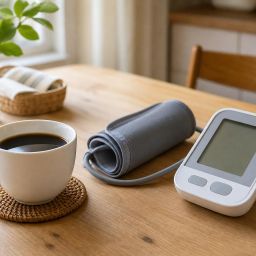
[…] Check your blood pressure at home to see how well treatment is working. Learn how to measure it correctly. […]