Blood pressure is written as two numbers, like 120/80. But what do those numbers actually mean, and when should you be concerned? Understanding your readings is an important step in protecting your heart, brain and kidneys, because high blood pressure usually causes no symptoms.
The two numbers
- Systolic (top number): the pressure in your arteries when your heart beats.
- Diastolic (bottom number): the pressure in your arteries when your heart rests between beats.
Both numbers are measured in millimeters of mercury (mm Hg). Either number being high can be a concern.
Blood pressure categories
The American Heart Association uses these categories for adults:
- Normal: less than 120 systolic and less than 80 diastolic.
- Elevated: 120 to 129 systolic and less than 80 diastolic.
- Stage 1 high blood pressure: 130 to 139 systolic or 80 to 89 diastolic.
- Stage 2 high blood pressure: 140 or higher systolic or 90 or higher diastolic.
- Severe or crisis level: higher than 180 systolic and/or higher than 120 diastolic.
If your two numbers fall into different categories, the higher category applies.
When a reading is an emergency
If your blood pressure is higher than 180/120, wait a few minutes and check again. If it’s still that high and you have no other symptoms, contact your doctor right away. If it’s that high and you have symptoms such as chest pain, shortness of breath, back pain, numbness or weakness, vision changes or difficulty speaking, call 911. These could be signs of a heart attack, stroke or other organ damage.
Why one reading isn’t enough
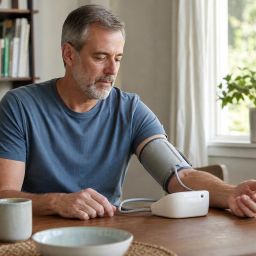
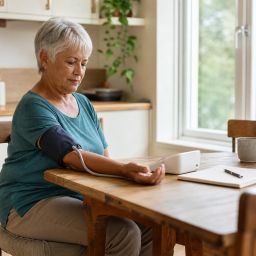
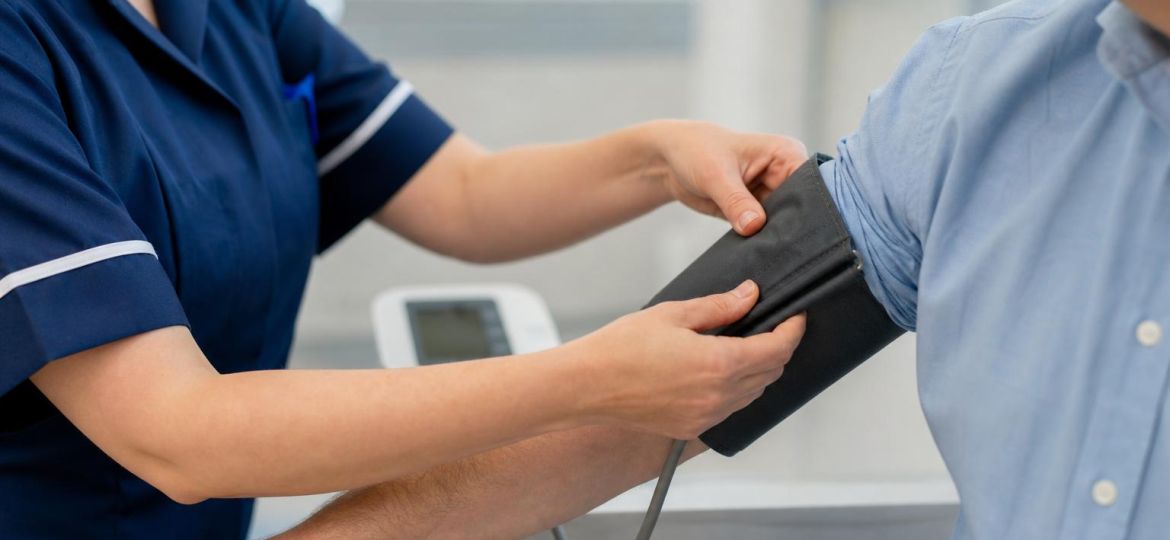
Blood pressure changes throughout the day with activity, stress, caffeine and even talking. A diagnosis of high blood pressure is usually based on an average of two or more readings taken on two or more occasions. Some people have higher readings at the doctor’s office than at home (“white coat” hypertension), while others have normal office readings but high readings at home. Measuring at home can help. Learn how to measure your blood pressure correctly at home.
Why it matters
Over time, high blood pressure damages blood vessels and organs and is the leading risk factor for stroke. Read more about how high blood pressure damages your heart, brain and kidneys.
What this means for you
Know your numbers. If your blood pressure is elevated or high, lifestyle changes can make a big difference. The DASH diet, cutting back on sodium, regular exercise, limiting alcohol and maintaining a healthy weight can all help lower it. Many people also need medicine to reach a healthy level.
The bottom line
A normal blood pressure is less than 120/80. Readings of 130/80 or higher are considered high blood pressure. Knowing your numbers, checking them regularly and working with your doctor are key to preventing heart attack and stroke.
Common questions
How often should I check my blood pressure?
Adults should have their blood pressure checked at least once a year, and more often if readings are high. People with high blood pressure may be advised to check at home regularly.
Is low blood pressure a problem?
Low blood pressure is often fine, but it can cause dizziness or fainting. Tell your doctor if you have symptoms.
Why does my blood pressure change during the day?
Blood pressure naturally rises and falls with activity, stress, sleep, caffeine and posture. That’s why doctors look at averages over time rather than a single reading.
This article is for general information and isn’t medical advice. Talk with your healthcare provider about your individual needs.