Falls are one of the biggest threats to independence as we get older. A single fall can lead to a broken hip, a head injury or a lasting fear of falling that causes people to move less, which in turn weakens muscles and makes another fall more likely. According to the National Safety Council, falls are a leading cause of injury-related deaths among older adults.
The encouraging news is that many falls can be prevented. A combination of exercise, home safety changes and regular health checks can greatly lower your risk.
Why falls become more likely with age
- Weaker leg and core muscles
- Slower reflexes and reduced balance
- Vision changes
- Medicines that cause dizziness or drowsiness
- Chronic conditions like arthritis, diabetes-related nerve damage and low blood pressure when standing
- Hazards at home, such as clutter, loose rugs and poor lighting
Step 1: Build strength and balance
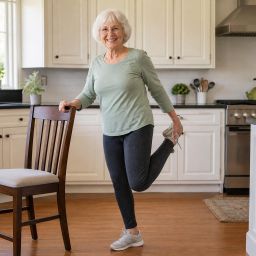
Exercise is one of the most effective ways to prevent falls. Balance exercises, like standing on one foot and heel-to-toe walking, help your body react better when you trip. Strengthening your legs and core makes it easier to catch yourself and get up from a chair. Tai chi, a slow, flowing form of exercise, has also been shown to improve balance.
Try these routines:
- Balance and Strength Routine for Older Adults: done next to a sturdy chair for support.
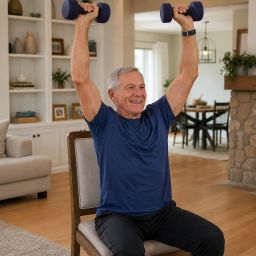
- Seated Chair Workout for Limited Mobility: a safe way to build strength if standing exercise is difficult.
Step 2: Make your home safer
- Remove loose rugs or secure them with non-slip backing.
- Clear clutter, cords and shoes from walkways.
- Add bright lighting, especially on stairs, and night-lights in the hallway and bathroom.
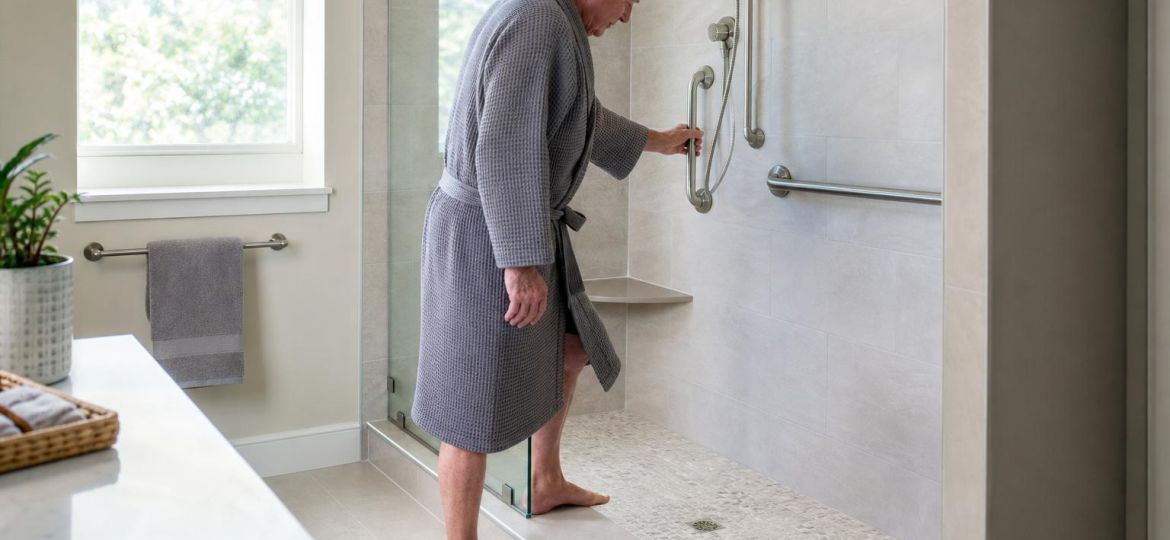
- Install grab bars near the toilet and in the shower or tub.
- Use non-slip mats in the bathroom.
- Make sure stairways have sturdy handrails on both sides.
- Keep frequently used items within easy reach to avoid step stools.
Step 3: Review your medicines
Some medicines, including sleep aids, certain antidepressants, sedatives and blood pressure drugs, can cause dizziness or drowsiness. Ask your doctor or pharmacist to review all your prescriptions, over-the-counter medicines and supplements at least once a year.
Step 4: Check your eyes and feet
Get an eye exam every year and update your glasses as needed. Wear supportive, non-slip shoes, both indoors and out, and avoid walking in socks or loose slippers. Tell your doctor about foot pain or numbness.
What this means for you
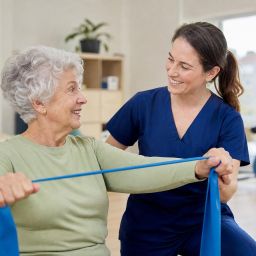
Talk with your doctor if you’ve fallen in the past year, feel unsteady when walking or standing, or worry about falling. Your doctor can check your balance and strength and may refer you to a physical therapist for a personalized program.
If you live alone, consider a medical alert device or keeping your phone with you so you can call for help if you fall.
The bottom line
Falls aren’t an inevitable part of aging. Regular strength and balance exercise, a safer home, medication reviews and yearly eye exams can all help you stay steady on your feet and independent.
Common questions
What should I do if I fall?
Stay calm and check for injuries before trying to get up. If you can, roll onto your side, crawl to a sturdy chair and slowly push yourself up. If you’re hurt or can’t get up, call for help.
Is fear of falling a problem?
Yes. Fear of falling can lead people to avoid activity, which weakens muscles and actually increases fall risk. Exercise programs and a physical therapist can help rebuild confidence.
This article is for general information and isn’t medical advice. Check with your doctor before starting a new exercise program, especially if you have heart disease, diabetes, high blood pressure, joint problems, a lung condition or another health concern. Stop and seek medical help if you feel chest pain, dizziness, faintness or severe shortness of breath.