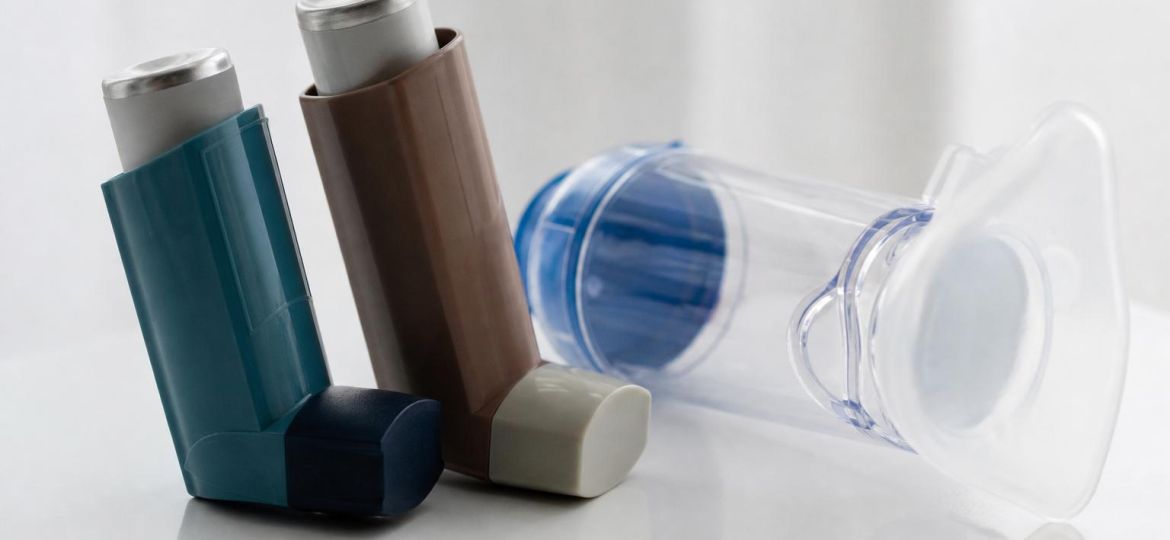
Inhalers deliver asthma medicine directly to the lungs, where it’s needed most. But many people with asthma aren’t sure which inhaler to use when, and studies show most people don’t use their inhalers correctly. Understanding the difference between rescue and controller inhalers, and how to use them, can make a big difference in how well you breathe.
Rescue (quick-relief) inhalers
Rescue inhalers contain fast-acting bronchodilators, most commonly albuterol, that quickly relax the muscles around your airways. They:
- Work within minutes to relieve coughing, wheezing and shortness of breath
- Are used during symptoms or an asthma attack
- May be used before exercise if your doctor recommends it
- Don’t treat the underlying inflammation
Always carry your rescue inhaler. If you need it more than two days a week (not counting before exercise), your asthma may not be well controlled. Talk with your doctor.
Controller (maintenance) inhalers
Controller inhalers treat the inflammation that causes asthma. Most contain an inhaled corticosteroid, sometimes combined with a long-acting bronchodilator. They:
- Are taken every day, even when you feel well
- Reduce swelling and mucus in the airways over time
- Lower the risk of asthma attacks
- Don’t provide quick relief during an attack (with some exceptions below)
Single inhaler therapy
For some people, current guidelines support using a single inhaler that contains both an inhaled corticosteroid and formoterol, a fast-acting long-lasting bronchodilator, for both daily control and quick relief. Your doctor will tell you whether this approach is right for you. Never change how you use your inhalers without guidance.
How to use a metered-dose inhaler with a spacer
- Shake the inhaler and attach it to the spacer.
- Breathe out fully, away from the spacer.
- Seal your lips around the mouthpiece.
- Press the inhaler once and breathe in slowly and deeply.
- Hold your breath for about 10 seconds, then breathe out slowly.
- Wait about a minute before a second puff, if prescribed.
- Rinse your mouth and spit after using a steroid inhaler to help prevent thrush.
Spacers help more medicine reach your lungs and are recommended for most people using metered-dose inhalers. Dry powder inhalers work differently: you breathe in quickly and deeply and don’t use a spacer. Ask your pharmacist to check your technique.
Signs your asthma isn’t well controlled
- Symptoms more than two days a week
- Waking up at night with symptoms
- Limiting your activities because of asthma
- Needing oral steroids for flare-ups
If any of these apply, talk with your doctor about adjusting your treatment and updating your asthma action plan.
What this means for you
Know which inhaler is which, use your controller every day as prescribed, keep your rescue inhaler with you and check expiration dates and dose counters. Bring your inhalers to appointments so your provider can check your technique.
The bottom line
Rescue inhalers relieve symptoms quickly, while controller inhalers reduce inflammation and prevent attacks. Using them correctly, with good technique, is key to keeping asthma under control.
Common questions
Are inhaled steroids safe long term?
Inhaled corticosteroids deliver low doses directly to the lungs and are considered safe for long-term use for most people. Your doctor will use the lowest effective dose.
How do I know when my inhaler is empty?
Many inhalers have dose counters. If yours doesn’t, track the number of puffs you use. Don’t rely on shaking or floating the inhaler to check.
Should I keep a spare rescue inhaler?
Many people keep extras at work, school or in the car. Check expiration dates regularly.
This article is for general information and isn’t medical advice. Talk with your healthcare provider about your individual needs.