Most people with flu or COVID-19 can recover safely at home. The right care can help you feel better, recover faster and avoid spreading the illness to others. It’s also important to know when home care isn’t enough.
Rest and fluids
- Rest. Your body needs energy to fight the infection. Stay home from work or school.
- Drink plenty of fluids. Water, broth, herbal tea and oral rehydration drinks help prevent dehydration, especially with fever.
- Eat what you can. Simple foods like soup, toast, rice, bananas and yogurt are easy on the stomach.
Easing symptoms
- Fever and aches: acetaminophen or ibuprofen can help. Follow package directions and don’t take more than the recommended dose. Don’t give aspirin to children or teens.
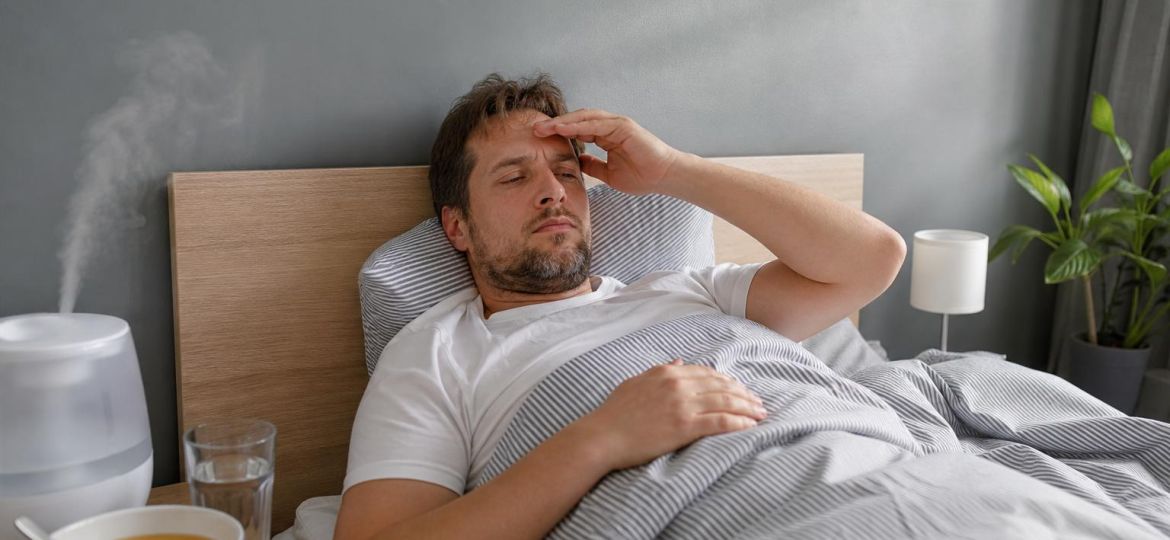
- Congestion: saline nasal spray, a humidifier or a warm shower can help.
- Sore throat: warm liquids, honey (not for babies under 1) and throat lozenges can soothe.
- Cough: warm drinks and honey may help. Ask a pharmacist before using cough medicines, especially for children.
Check labels carefully. Many cold and flu products contain the same ingredients, and doubling up can be harmful.
Ask about antivirals
If you’re at higher risk of severe illness, such as being 65 or older, pregnant or living with a chronic condition, contact your healthcare provider as soon as symptoms start. Antiviral medicines for flu and COVID-19 work best when started early.
Protecting others at home
- Stay in a separate room if possible, and use a separate bathroom if you can.
- Wear a well-fitting mask when around others.
- Wash hands often with soap and water for at least 20 seconds.
- Open windows or use fans and air purifiers to improve ventilation.
- Clean frequently touched surfaces, like doorknobs and phones.
- Don’t share cups, utensils or towels.
When to return to normal activities
CDC respiratory virus guidance suggests you can return to normal activities when you’ve been fever-free for at least 24 hours without fever-reducing medicine and your symptoms are improving overall. For the next few days, take added precautions, like wearing a mask, washing hands and keeping your distance from others.
Emergency warning signs
Seek medical care right away for:
- Difficulty breathing or shortness of breath
- Persistent chest pain or pressure
- New confusion or trouble staying awake
- Bluish lips or face
- Signs of dehydration, such as not urinating
- Seizures
- Symptoms that improve and then return with fever and a worse cough
See warning signs of flu in children.
What this means for you
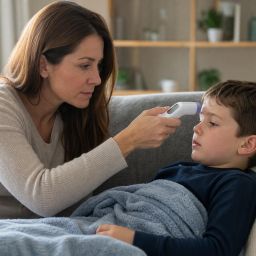
Before cold and flu season, stock up on basics like a thermometer, fever reducers, fluids and home tests. If you have asthma or another chronic condition, follow your action plan and call your doctor early.
The bottom line
Rest, fluids and symptom relief help most people recover from flu or COVID-19 at home. Protect others while you’re sick, ask about antivirals if you’re at higher risk and seek care right away for emergency warning signs.
Common questions
Should I go to the ER for the flu?
Most people don’t need emergency care. Go to the ER for emergency warning signs like trouble breathing, chest pain or confusion.
How long am I contagious?
People are usually most contagious in the first few days of illness, but can spread the virus before symptoms start and for several days after.
Should I take medicine to bring down a fever?
Fever is part of the body’s response to infection. You can treat it for comfort, but it isn’t always necessary. Call your doctor about very high fevers or fevers that last more than a few days.
This article is for general information and isn’t medical advice. Talk with your healthcare provider about your individual needs.