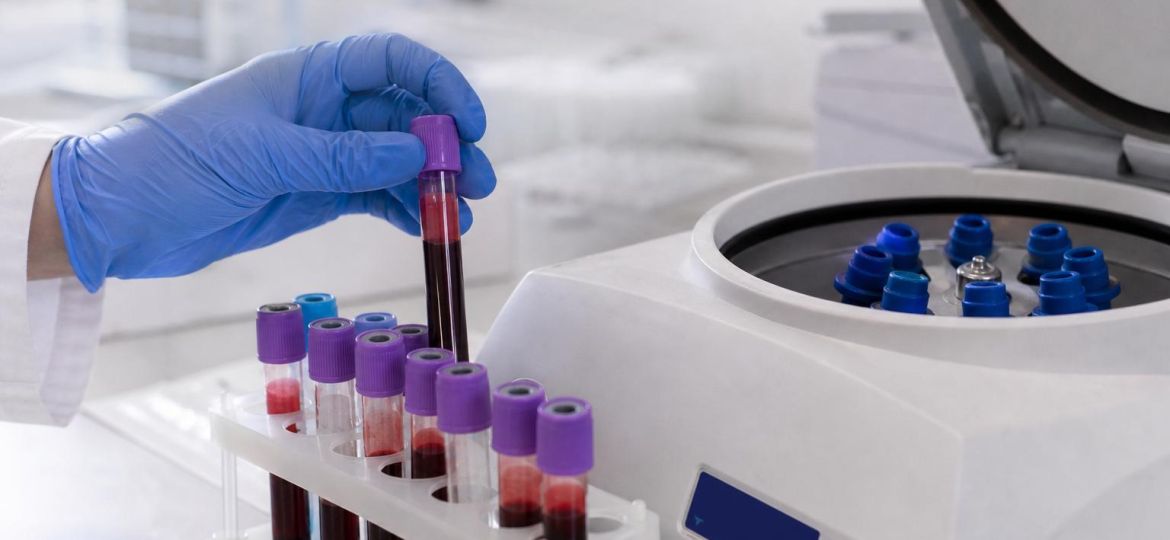
Liver function tests (LFTs), sometimes called a liver panel, are a group of blood tests that give clues about how well your liver is working and whether it’s being injured. They’re commonly included in routine blood work, so many people see these results without knowing what they mean.
Why liver tests are done
According to Mayo Clinic, doctors use liver function tests to:
- Screen for liver infections like hepatitis
- Monitor liver diseases and how well treatment is working
- Check for side effects of certain medicines
- Look for causes of symptoms like jaundice, fatigue or abdominal pain
- Monitor people who drink heavily or have conditions like fatty liver disease
What the tests measure
- ALT (alanine transaminase): an enzyme found mainly in the liver. High levels often signal liver cell injury.
- AST (aspartate transaminase): an enzyme found in the liver, heart and muscles. High levels may suggest liver damage, but can also come from muscle injury.
- ALP (alkaline phosphatase): an enzyme in the liver, bile ducts and bones. High levels may suggest bile duct problems or bone conditions.
- GGT (gamma-glutamyltransferase): can help show whether a high ALP is coming from the liver. It may also rise with alcohol use.
- Bilirubin: a yellow substance produced when red blood cells break down. High levels can cause jaundice and may signal liver or bile duct problems.
- Albumin and total protein: proteins made by the liver. Low levels may suggest the liver isn’t making enough protein.
- Prothrombin time (PT/INR): measures how long blood takes to clot. The liver makes clotting proteins, so a longer time can signal liver damage (or reflect blood-thinning medicine).
What abnormal results may mean
Slightly abnormal results are common and don’t always mean you have liver disease. Results can be affected by recent exercise, certain medicines and supplements, alcohol, weight and other health conditions. On the other hand, some people with liver disease, including early cirrhosis, can have normal results.
Your doctor will look at the pattern of results, your symptoms, your history and possibly repeat the tests over time.
Common causes of abnormal liver tests
- Fatty liver disease (MASLD)
- Alcohol use
- Viral hepatitis, such as hepatitis B or C
- Medicines, including acetaminophen, statins and some antibiotics
- Herbal and dietary supplements
- Autoimmune and inherited liver conditions
- Gallstones or bile duct problems
What happens next
If your results are abnormal, your doctor may recommend repeat testing, additional blood tests for hepatitis or other causes, imaging such as an ultrasound, or a scan to measure liver stiffness. In some cases, a referral to a liver specialist (hepatologist) may be needed.
What this means for you
Ask your doctor to explain your results and what may be causing any abnormal numbers. Tell your doctor about all the medicines, supplements and alcohol you use. If you have risk factors for liver disease, regular testing can help catch problems early.
The bottom line
Liver function tests measure enzymes, proteins and other substances that reflect liver health. Abnormal results are common and need to be interpreted in context, but they’re an important tool for finding and monitoring liver problems.
Common questions
Do I need to fast for liver tests?
Usually not, but some panels are drawn with other tests that require fasting. Follow your doctor’s instructions.
Can supplements raise my liver enzymes?
Yes. Some herbal and dietary supplements, including certain weight-loss and bodybuilding products, can cause liver injury. Tell your doctor about everything you take.
This article is for general information and isn’t medical advice. Talk with your healthcare provider about your individual needs.