Your liver is the main organ that processes alcohol. When you drink, your liver works to break alcohol down, but this process produces toxic substances that can damage liver cells. Over time, heavy or regular drinking can lead to alcohol-associated liver disease, one of the leading causes of liver-related deaths in the United States.
The encouraging news is that the liver has a remarkable ability to repair itself, especially when alcohol-related damage is caught early.
How alcohol damages the liver
Breaking down alcohol creates a toxic compound called acetaldehyde and triggers inflammation. Alcohol also causes fat to build up in liver cells. With repeated exposure, these effects can injure the liver and lead to scarring.
The stages of alcohol-associated liver disease
- Alcohol-associated fatty liver: fat builds up in the liver. It’s very common among people who drink heavily and usually causes no symptoms. It can often be reversed within weeks of stopping drinking.
- Alcohol-associated hepatitis: inflammation and damage to liver cells. Symptoms can include jaundice, fever, abdominal pain and nausea. Severe cases can be life-threatening and require urgent medical care.
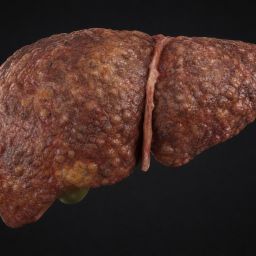
- Cirrhosis: extensive, permanent scarring that impairs liver function. Learn more about cirrhosis.
Not everyone who drinks heavily develops severe liver disease. Genetics, sex, body weight, other liver conditions like hepatitis C or fatty liver disease, and drinking patterns all affect risk. Women tend to develop liver damage at lower levels of drinking than men.
How much is too much?
There is no completely risk-free level of drinking, and less is better for your health. Binge drinking and drinking heavily over many years raise the risk of liver disease the most. People who already have liver disease should talk with their doctor, as avoiding alcohol completely is often recommended.
A standard drink in the U.S. is:
- 12 ounces of regular beer (about 5% alcohol)
- 5 ounces of wine (about 12% alcohol)
- 1.5 ounces of distilled spirits (about 40% alcohol)
Warning signs
Early liver damage often has no symptoms. Later signs can include fatigue, loss of appetite, nausea, abdominal pain or swelling, yellowing of the skin or eyes, easy bruising and confusion. See our guide to signs of liver disease.
Cutting back helps
- Stopping or reducing alcohol is the most important step for protecting the liver.
- Eat a nutritious diet, since heavy drinking often leads to poor nutrition.
- Get vaccinated against hepatitis A and B if recommended.
- Avoid combining alcohol with acetaminophen. Read about pain relievers and your liver.
What this means for you
If you’re concerned about your drinking, talk with your doctor. They can check your liver function and help you find support. Treatment for alcohol use disorder, including counseling, support groups and medicines, is effective. In the U.S., you can also call the SAMHSA National Helpline at 1-800-662-4357 for free, confidential treatment referrals, 24 hours a day.
The bottom line
Alcohol is processed by the liver and, over time, can cause fatty liver, hepatitis and cirrhosis. Drinking less, or not at all, protects your liver and gives early damage a chance to heal.
Common questions
Can the liver recover from alcohol damage?
Fatty liver often improves within weeks of stopping drinking, and alcohol-associated hepatitis can improve with abstinence and treatment. Cirrhosis scarring is usually permanent, but stopping drinking can prevent further damage.
Is wine better for the liver than liquor?
No. The amount of alcohol matters, not the type of drink.
What is a standard drink?
In the U.S., a standard drink is 12 ounces of beer, 5 ounces of wine or 1.5 ounces of distilled spirits. Many restaurant pours and craft beers contain more than one standard drink.
This article is for general information and isn’t medical advice. Talk with your healthcare provider about your individual needs.