Not all fats are created equal. Omega-3 fatty acids are a family of healthy fats that your body needs but can’t make on its own, so you have to get them from food. They play important roles in the heart, blood vessels, lungs, immune system and brain.
Here’s what you need to know about the different types of omega-3s, why they matter and the easiest ways to get more of them.
The three main types of omega-3s
According to the NIH Office of Dietary Supplements, there are three main omega-3 fats:
- ALA (alpha-linolenic acid) is found in plant foods like flaxseed, chia seeds, walnuts, soybeans and canola oil. The body can convert a small amount of ALA into EPA and DHA, but not very efficiently.
- EPA (eicosapentaenoic acid) is found mainly in fish and seafood.
- DHA (docosahexaenoic acid) is also found mainly in fish and seafood. DHA is an important building block of the brain and eyes.
Because the body converts only a little ALA into EPA and DHA, eating fish and seafood is the most practical way to get these two directly.
Why omega-3s matter for your heart
People who eat fish regularly tend to have a lower risk of heart disease. Research summarized by the American Heart Association links eating fish about twice a week with a lower risk of heart failure, coronary heart disease, cardiac arrest and the most common type of stroke. Part of the benefit may come from omega-3s, and part may come from eating fish in place of less healthy foods like processed meats.
Omega-3s can also help lower triglycerides, a type of fat in the blood that, at high levels, is linked to heart disease.
The best food sources
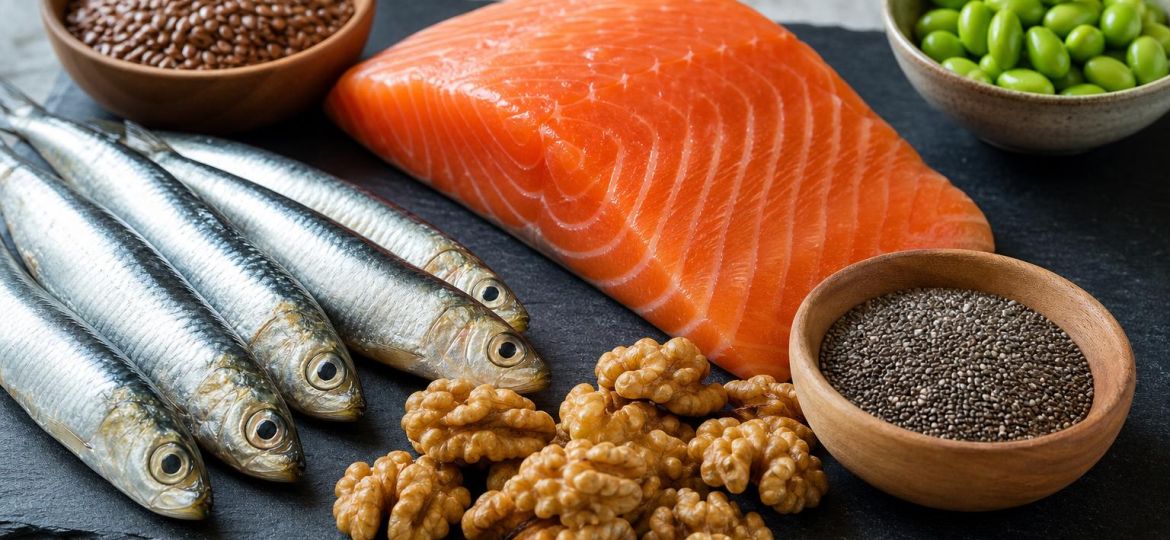
Highest in EPA and DHA:
- Salmon
- Sardines
- Mackerel (Atlantic, not king mackerel)
- Herring
- Trout
- Anchovies
Good plant sources of ALA:
- Ground flaxseed and flaxseed oil
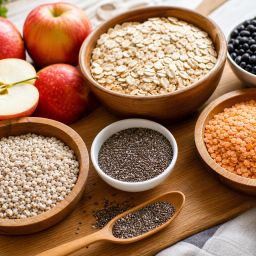
- Chia seeds
- Walnuts
- Soybeans and edamame
- Canola oil
How much should you eat?
The American Heart Association recommends eating fish, particularly fatty fish, about twice a week. A serving is about 3.5 ounces cooked, roughly the size of a deck of cards. Choose fish that are lower in mercury, such as salmon, sardines and trout, especially if you’re pregnant or breastfeeding.
What about supplements?
Fish oil supplements are popular, but research on whether they prevent heart disease in healthy people has been mixed. For most people, getting omega-3s from food is the best approach. High-dose prescription omega-3s may be used to treat very high triglycerides, but only under a doctor’s care. Omega-3 supplements can interact with blood thinners, so always talk with your doctor before taking them.
Omega-3-rich recipes to try
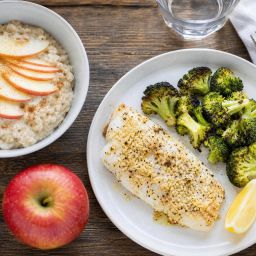
- Sheet-Pan Mediterranean Salmon with Vegetables: an easy way to hit one of your two weekly fish meals.
- Overnight Oats with Berries and Chia: chia seeds and walnuts add plant-based omega-3s.
What this means for you
Aim for two servings of fatty fish a week and add plant sources like walnuts, chia and flaxseed to your meals and snacks. If you don’t eat fish, focus on plant sources and talk with your doctor or a dietitian about whether you need a supplement.
The bottom line
Omega-3 fats support heart, brain and eye health. Fatty fish like salmon and sardines are the best sources of EPA and DHA, while flaxseed, chia and walnuts provide plant-based ALA. Two fish meals a week is a simple, evidence-based goal.
This article is for general information and isn’t medical advice. Talk with your healthcare provider or a registered dietitian about your individual needs, especially if you have a health condition or food allergies.