COVID-19 can make anyone sick, but age remains the single biggest risk factor for serious illness. During the winter respiratory season of 2022, doctors noticed a pattern they called a “senior wave”: COVID-19 hospitalizations among older adults climbed sharply, approaching levels seen during the earlier Delta surge, even as younger people were faring better.
What was behind the “senior wave”
Dr. Eric Topol of Scripps Research, who coined the term, pointed to a few reasons:
- Aging immune systems. As we get older, the immune system responds less strongly to infections and to vaccines, and protection fades faster.
- Waning protection. Immunity from earlier shots and infections declines over time, and newer variants were better at slipping past it.
- Low booster uptake. At the time, only about a third of Americans 65 and older had received the updated booster, a gap Topol described as the main driver.
A survey by KFF at the time found that many older adults were worried about getting seriously ill, yet a large share said they didn’t plan to get the updated shot.
Why age matters so much
Infectious disease and geriatrics specialist Dr. Preeti Malani of the University of Michigan summed it up: anyone can catch COVID-19, but the older you are, the more likely you are to have severe symptoms, be hospitalized or die. Older adults are also more likely to have conditions such as heart disease, lung disease, diabetes or a weakened immune system that raise the risk further.
Research has also suggested that booster doses help antibody protection last longer, which matters most for people whose protection fades quickly.
How older adults can lower their risk
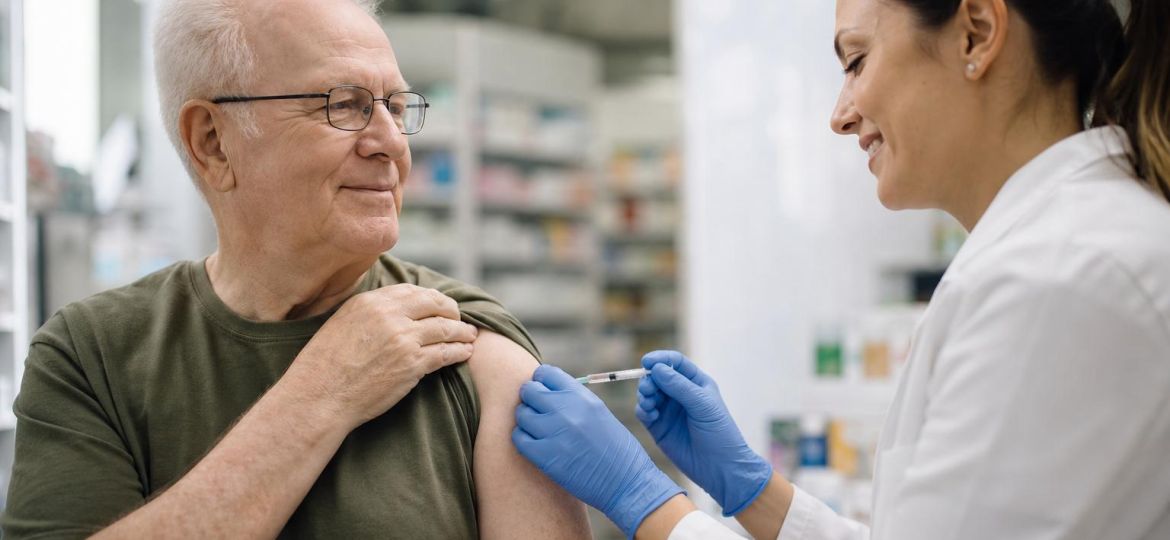
- Stay up to date with recommended vaccines. Ask your doctor or pharmacist which COVID-19, flu and RSV vaccines are recommended for you this season.
- Have a plan for treatment. Antiviral medicines can greatly lower the risk of severe illness for older adults, but they need to be started within a few days of symptoms. Talk with your doctor ahead of time about what to do if you test positive.
- Keep tests at home. Testing at the first sign of symptoms helps you get treatment quickly.
- Take extra care during surges. A well-fitting mask in crowded indoor places, good ventilation and gathering outdoors when possible all help.
- Manage chronic conditions. Keeping blood pressure, blood sugar and lung conditions well controlled helps your body cope with infections.
Even a mild-seeming infection can be harder on older bodies. COVID-19 can worsen existing heart and lung conditions, lead to dehydration, and leave people weaker for weeks afterward, which raises the risk of falls. That’s why early testing and treatment matter so much for this age group.
Know the warning signs
In older adults, COVID-19 doesn’t always look typical. Confusion, unusual weakness, falls, loss of appetite or simply “not acting like themselves” can be early signs. Seek emergency care for trouble breathing, chest pain or pressure, new confusion, inability to stay awake, or bluish lips or face.
For families and caregivers
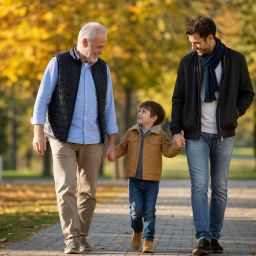
If you care for an older relative, help them keep track of vaccine appointments, keep tests on hand, and check in often during respiratory virus season. Staying home when you’re sick yourself is one of the most effective ways to protect them.
The bottom line
Older adults face the greatest risk from COVID-19, and that risk rises when protection has faded. Staying current with recommended vaccines, having a treatment plan and knowing the warning signs are the best ways to stay safe.
This article is for general information and isn’t medical advice. Talk with your healthcare provider about your individual needs.