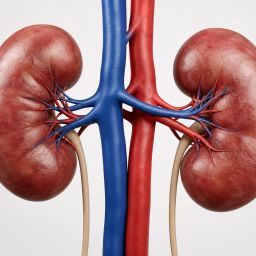
Kidney stones are hard deposits of minerals and salts that form inside the kidneys. They’re common, affecting about 1 in 10 people at some point in their lives, and passing one is often described as one of the most painful experiences a person can have. The good news is that many stones can be prevented with a few simple habits.
Types of kidney stones
- Calcium oxalate stones, the most common type
- Calcium phosphate stones
- Uric acid stones, more common in people who eat a lot of animal protein or have gout
- Struvite stones, which can form after urinary tract infections
- Cystine stones, caused by a rare inherited disorder
Knowing your stone type helps your doctor recommend the right prevention plan. If you pass a stone, try to save it for testing.
Risk factors
- Not drinking enough fluids
- A diet high in sodium or animal protein
- Obesity, diabetes and metabolic syndrome
- A personal or family history of kidney stones
- Certain digestive conditions and surgeries
- Some medicines and supplements
Symptoms
Small stones may pass without symptoms. When a stone moves into the ureter, the tube that connects the kidney to the bladder, it can cause:
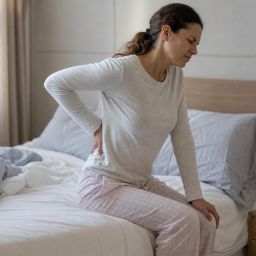
- Severe pain in the side and back, below the ribs, that may spread to the lower abdomen and groin
- Pain that comes in waves
- Pain or burning with urination
- Pink, red or brown urine
- Nausea and vomiting
- Frequent urge to urinate
Get emergency care if you have pain so severe you can’t sit still, pain with fever and chills, or trouble passing urine. A stone combined with infection can be dangerous. Learn about kidney infections.
How to prevent kidney stones
The National Institute of Diabetes and Digestive and Kidney Diseases (NIDDK) recommends these diet steps:
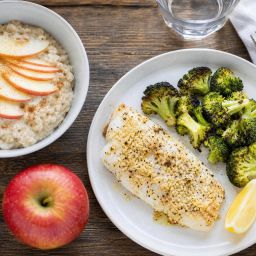
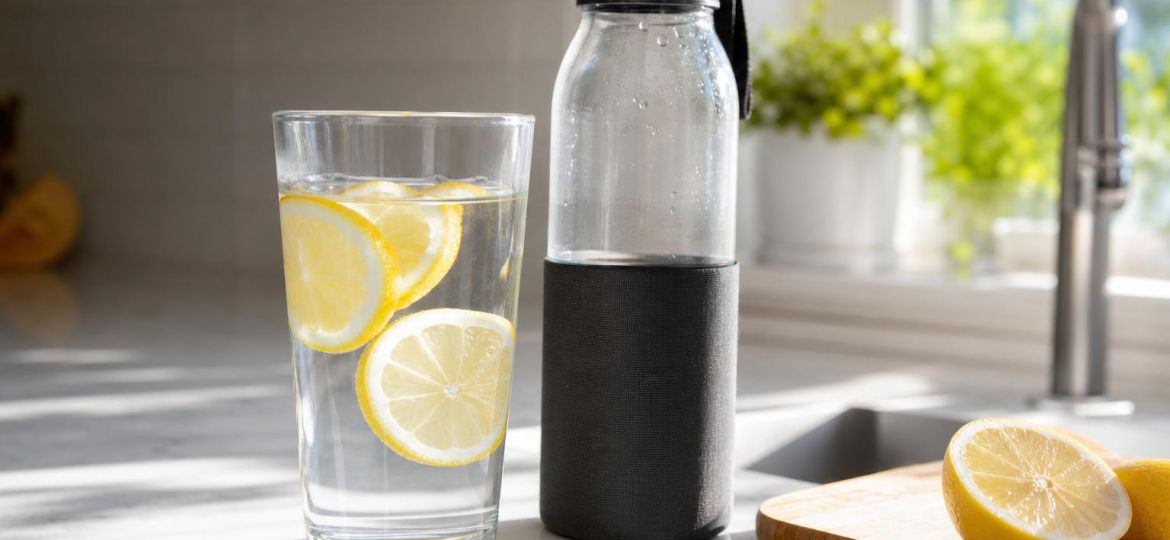
- Drink plenty of fluids, mostly water, so your urine is pale yellow. Your doctor may give you a daily target.
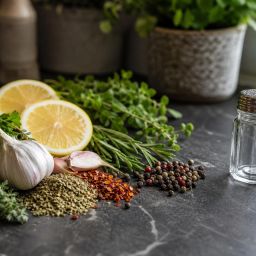
- Cut back on sodium. High sodium increases calcium in the urine. See our tips to cut back on sodium without losing flavor.
- Limit animal protein like red meat, poultry, eggs and seafood, especially for uric acid stones.
- Get enough calcium from food. Surprisingly, eating calcium-rich foods helps prevent calcium oxalate stones because calcium binds with oxalate in the gut. Don’t cut calcium unless your doctor tells you to.
- Limit high-oxalate foods if advised, such as spinach, rhubarb, nuts and beets, especially if you have calcium oxalate stones.
- Consider citrus. Citrate from lemons and limes may help prevent some stones.
Treatment
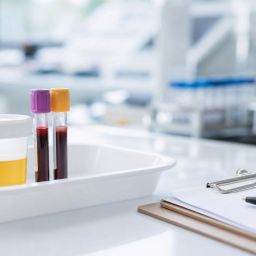
Many small stones pass on their own with fluids and pain relief. Your doctor may prescribe medicine to help the stone pass. Larger stones may need procedures, such as shock wave lithotripsy or ureteroscopy. After a stone, your doctor may test your urine and blood to look for causes and prescribe medicine to prevent new stones.
What this means for you
If you’ve had a kidney stone, you’re more likely to have another. Ask your doctor about testing your stone and urine to create a personal prevention plan, and keep drinking plenty of water every day.
The bottom line
Kidney stones are common and painful but often preventable. Drinking plenty of fluids, eating less sodium and animal protein and getting calcium from food are some of the best ways to keep them from coming back.
Common questions
Does coffee or tea cause kidney stones?
Coffee and tea count toward your daily fluids and aren’t usually a problem in moderate amounts. Very strong black tea is higher in oxalate, so moderation is wise.
This article is for general information and isn’t medical advice. Talk with your healthcare provider about your individual needs.