Life expectancy is one of the clearest measures of a nation’s health. In late 2022, the Centers for Disease Control and Prevention (CDC) reported that U.S. life expectancy had fallen for the second year in a row, dropping to its lowest level in about 25 years. Understanding what drove that drop points to some of the most important ways to protect your own health.
What the CDC found
According to the CDC’s National Center for Health Statistics:
- Life expectancy at birth fell to about 76.4 years in 2021, down from about 77 years in 2020 and the lowest level since 1996.
- It was the second straight decline. Life expectancy had already dropped sharply in 2020, the first year of the pandemic.
- The two-year drop was the largest in about a century.
The main causes
Several causes of death pushed the numbers down:
- COVID-19. It was the third-leading cause of death in 2021, behind heart disease and cancer, claiming more than 400,000 American lives that year.
- Drug overdoses. More than 106,000 people died of overdoses in 2021, up from about 92,000 in 2020. Synthetic opioids such as illegally made fentanyl drove much of the increase.
- Other “deaths of despair.” Deaths from suicide and from chronic liver disease, often linked to alcohol, also rose.
- Heart disease and cancer remained the two leading causes of death overall.
Overdoses and other deaths among younger and middle-aged adults have an especially large effect on life expectancy, because each one represents many years of life lost.
How the U.S. compares
Many wealthy countries saw life expectancy dip during the pandemic and then start to recover. The U.S. drop was deeper and lasted longer, widening a gap that already existed before COVID-19. Researchers point to higher rates of chronic disease, overdoses, gun deaths and differences in access to health care as part of the explanation.
Life expectancy is an average, so it doesn’t predict how long any one person will live. But when it falls, it signals that more people are dying earlier than they should, often from causes that could have been prevented or treated.
What this means for you
National statistics can feel abstract, but many of the leading causes of early death are things individuals and families can act on:
- Protect your heart. Know your blood pressure, cholesterol and blood sugar numbers, stay active, and don’t smoke. Heart disease remains the leading cause of death.
- Keep up with cancer screenings recommended for your age, such as colorectal, breast and cervical screening.
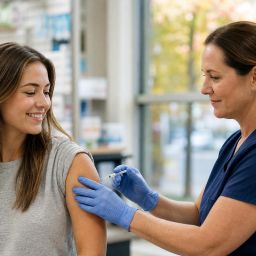
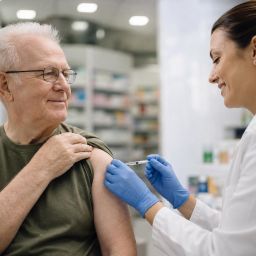
- Stay up to date with recommended vaccines, including COVID-19 and flu shots, especially if you’re older or have chronic conditions.
- Be aware of overdose risks. Never take pills that weren’t prescribed and dispensed to you, and consider carrying naloxone (Narcan), which can reverse an opioid overdose.
- Drink less alcohol. Cutting back lowers the risk of liver disease, several cancers and injuries.
- Look after your mental health. If you or someone you know is struggling, reach out for help. In the U.S., you can call or text 988 to reach the Suicide & Crisis Lifeline.
The bottom line
COVID-19, drug overdoses, suicide and alcohol-related liver disease pushed U.S. life expectancy to its lowest point in about 25 years. Many of these causes are preventable, which means everyday choices and access to care can make a real difference.
This article is for general information and isn’t medical advice. Talk with your healthcare provider about your individual needs.