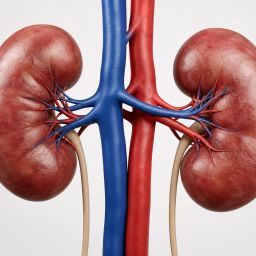
Urinary tract infections (UTIs) are among the most common infections, especially in women. Most are bladder infections, which are uncomfortable but usually easy to treat. But if bacteria travel up to the kidneys, the infection becomes more serious. Knowing the difference can help you get the right care quickly.
How UTIs develop
Most UTIs start when bacteria, often from the digestive tract, enter the urethra and travel to the bladder. If the infection isn’t treated, or in some cases even with treatment, bacteria can move up the ureters into one or both kidneys. According to the National Institute of Diabetes and Digestive and Kidney Diseases (NIDDK), a kidney infection (pyelonephritis) usually results from a bladder infection that has spread.
Bladder infection symptoms
- A strong, persistent urge to urinate
- Burning or pain with urination
- Passing small amounts of urine often
- Cloudy, strong-smelling or bloody urine
- Pressure or discomfort in the lower abdomen or pelvis
Kidney infection symptoms
A kidney infection can include bladder symptoms plus:
- Fever and chills
- Pain in the back, side or groin
- Nausea and vomiting
- Feeling generally very unwell
Older adults may have unusual symptoms, such as confusion, instead of the typical ones.
When to get care
See a healthcare provider promptly for any UTI symptoms. Seek urgent care the same day if you have fever, back or side pain, or nausea and vomiting, which may signal a kidney infection. Go to the emergency room if you have a high fever, shaking chills, confusion, can’t keep fluids down or feel very ill. Untreated kidney infections can lead to permanent kidney damage or a dangerous bloodstream infection (sepsis).
Who is at higher risk?
- Women, because of a shorter urethra
- Pregnant people
- People with diabetes or a weakened immune system
- People with kidney stones, an enlarged prostate or other blockages
- People who use urinary catheters
Treatment
Both bladder and kidney infections are treated with antibiotics. Bladder infections often need just a few days of treatment. Kidney infections typically need a longer course, and severe infections may require hospital care with IV antibiotics. Always finish your antibiotics as prescribed, even if you feel better.
Prevention tips
- Drink plenty of fluids, especially water.
- Urinate when you feel the urge, and don’t hold it for long periods.
- Urinate after sex.
- Wipe from front to back.
- Avoid irritating feminine products.
- Manage blood sugar if you have diabetes.
What this means for you
Don’t ignore UTI symptoms, and never ignore fever or back pain with urinary symptoms. If you get frequent UTIs, talk with your doctor about prevention strategies and whether further testing is needed to protect your kidney health. Learn more about chronic kidney disease.
The bottom line
Bladder infections cause burning and urgency, while kidney infections add fever, chills and back or side pain. Kidney infections need prompt treatment to prevent serious complications.
Common questions
Does cranberry juice prevent UTIs?
Research is mixed. Cranberry products may help some people prevent repeat UTIs, but they don’t treat an active infection.
Can men get UTIs?
Yes, though less often. UTIs in men may need further evaluation to look for causes like prostate problems or kidney stones.
Can a kidney infection go away on its own?
No. Kidney infections need antibiotics, and delaying treatment can lead to serious complications.
When should I see a doctor for a bladder infection?
See a provider for any UTI symptoms, especially if you’re pregnant, have diabetes, are a man, or symptoms don’t improve within a day or two of treatment.
This article is for general information and isn’t medical advice. Talk with your healthcare provider about your individual needs.