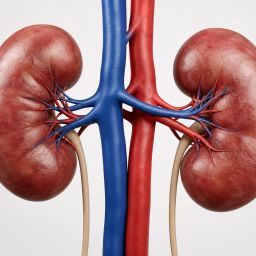
When the kidneys fail, they can no longer filter waste and extra fluid from the blood well enough to keep the body healthy. Dialysis is a treatment that takes over part of that work. Starting dialysis can feel overwhelming, but understanding what’s involved can help you and your family feel more prepared and in control.
When is dialysis needed?
Dialysis is usually considered when chronic kidney disease reaches stage 5, or kidney failure, often when kidney function (eGFR) falls below about 15, or when symptoms such as severe fatigue, nausea, swelling, shortness of breath or dangerous mineral imbalances develop. The timing is a decision you make with your kidney doctor (nephrologist).
The two main types of dialysis
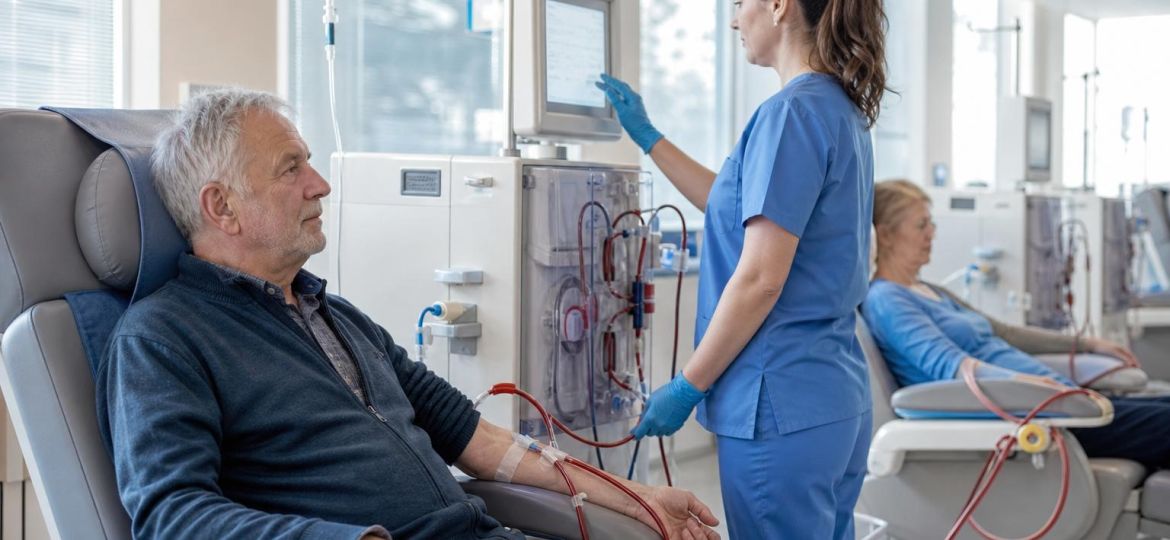
Hemodialysis uses a machine and a filter (dialyzer) to clean the blood outside the body.
- In-center hemodialysis: typically done three times a week at a dialysis center, with each session lasting about 3 to 4 hours.
- Home hemodialysis: done at home after training, often more frequently and for shorter sessions, which some people find gentler on the body.
- Access: hemodialysis requires a way to reach the bloodstream, usually a fistula (a connection between an artery and vein in the arm created by surgery) or a graft. A catheter may be used temporarily.
Peritoneal dialysis uses the lining of your abdomen (the peritoneum) as a natural filter.
- A cleansing fluid flows into the abdomen through a soft tube (catheter), absorbs waste and is then drained out.
- It’s done at home every day, either by hand several times a day or overnight with a machine while you sleep.
- It offers more flexibility for some people and requires careful technique to prevent infection.
Life on dialysis
- Diet and fluids: you’ll likely need to limit sodium, potassium, phosphorus and fluids. Protein needs often increase. A renal dietitian will help. See our kidney-friendly diet guide.
- Medicines: many people take medicines to control blood pressure, phosphorus, anemia and bone health.
- Work and travel: many people continue working and traveling with planning.
- Emotional support: it’s normal to feel stressed or down. Social workers, support groups and counselors can help.
Other options
- Kidney transplant: for many people, a transplant offers the best quality of life and longest survival. Ask whether you’re a candidate, ideally before you need dialysis.
- Conservative (supportive) care: some people, particularly older adults with other serious illnesses, choose to focus on symptom management and quality of life without dialysis.
What this means for you
If your kidney function is declining, start the conversation early. Ask your kidney care team about all options, including transplant, home dialysis and in-center dialysis, so you can choose the treatment that fits your health, values and lifestyle. Planning ahead, such as getting a fistula placed before you need it, can make the transition smoother.
The bottom line
Dialysis replaces some of the work of failed kidneys. Hemodialysis and peritoneal dialysis each have pros and cons, and with planning and support, many people live full lives on dialysis or move on to a transplant.
Common questions
Is dialysis painful?
The treatment itself usually isn’t painful, though needle insertion for hemodialysis can be uncomfortable. Some people feel tired or have cramps afterward, which your care team can help manage.
Can kidneys recover after starting dialysis?
Sometimes, when kidney failure is sudden (acute), kidneys can recover. In chronic kidney failure, dialysis is usually long-term unless a transplant is performed.
How long can someone live on dialysis?
It varies widely depending on age and other health conditions. Many people live for years, and outcomes are often better with a kidney transplant when possible.
This article is for general information and isn’t medical advice. Talk with your healthcare provider about your individual needs.