

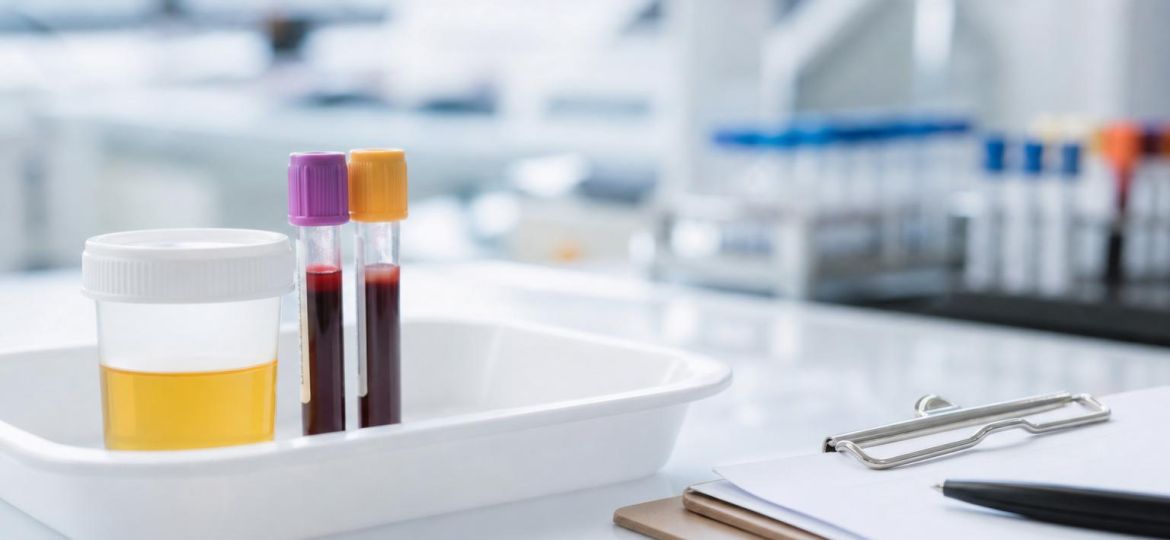
Kidney disease usually has no symptoms until it’s advanced, so testing is the only way to find it early. The National Kidney Foundation highlights two simple tests that together give a clear picture of kidney health: a blood test called eGFR and a urine test called UACR.
eGFR: How well your kidneys filter
eGFR stands for estimated glomerular filtration rate. It estimates how much blood your kidneys filter each minute. It’s calculated from a blood test that measures creatinine, a waste product from muscle, along with your age and sex. Some labs also use a protein called cystatin C for a more accurate estimate.
- 90 or higher: normal, though kidney damage may still be present if there’s protein in the urine
- 60 to 89: mildly decreased; may be normal for some older adults
- Below 60 for three months or more: suggests chronic kidney disease
- Below 15: kidney failure
eGFR naturally declines slowly with age. In 2021, the equation used to calculate eGFR was updated so that it no longer includes race, which experts say makes results more equitable.
UACR: Is protein leaking into your urine?
UACR stands for urine albumin-to-creatinine ratio. Albumin is a protein that healthy kidneys keep in the blood. When kidneys are damaged, albumin can leak into the urine, often one of the earliest signs of kidney disease.
- Less than 30 mg/g: normal
- 30 to 300 mg/g: moderately increased (possible kidney damage)
- More than 300 mg/g: severely increased
Because albumin can rise temporarily after exercise, fever or infection, a high result is usually confirmed with repeat testing.
Why both tests matter
The two tests measure different things. eGFR shows how well the kidneys filter, while UACR shows whether the kidneys are leaking protein. Someone can have a normal eGFR but a high UACR, which still signals kidney damage. Together, they help doctors diagnose chronic kidney disease, determine its stage and predict risk.
Who should be tested?
- People with diabetes: both tests at least once a year. Read about diabetes and your kidneys.
- People with high blood pressure or heart disease
- People with a family history of kidney failure
- People over 60
- People with obesity
Other kidney tests
Your doctor may also check blood urea nitrogen (BUN), electrolytes like potassium, a standard urinalysis, or imaging such as a kidney ultrasound.
What this means for you
Ask your doctor for your eGFR and UACR numbers and keep track of them over time. A gradual decline in eGFR or a rising UACR can signal that your kidneys need extra protection, through better blood pressure and blood sugar control and, often, kidney-protecting medicines.
The bottom line
eGFR measures how well your kidneys filter, and UACR checks for protein leaking into the urine. These two simple tests are the best way to catch kidney disease early, especially if you have diabetes or high blood pressure.
Common questions
Do I need to fast for kidney tests?
Usually not. Your doctor may ask you to avoid heavy exercise or a large meat meal before testing, since these can affect results.
Can medicines affect eGFR?
Yes. Some medicines can raise creatinine levels without truly harming the kidneys, while others can affect kidney function. Your doctor will interpret results in context.
What is creatinine?
Creatinine is a waste product from normal muscle activity. Healthy kidneys filter it out, so higher blood levels can mean the kidneys aren’t filtering as well.
This article is for general information and isn’t medical advice. Talk with your healthcare provider about your individual needs.



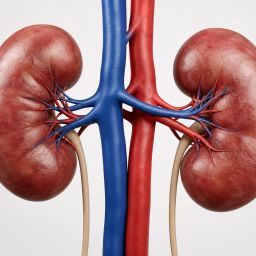







[…] The amount of protein (albumin) in the urine is also used to assess risk. Learn more about kidney function tests. […]