

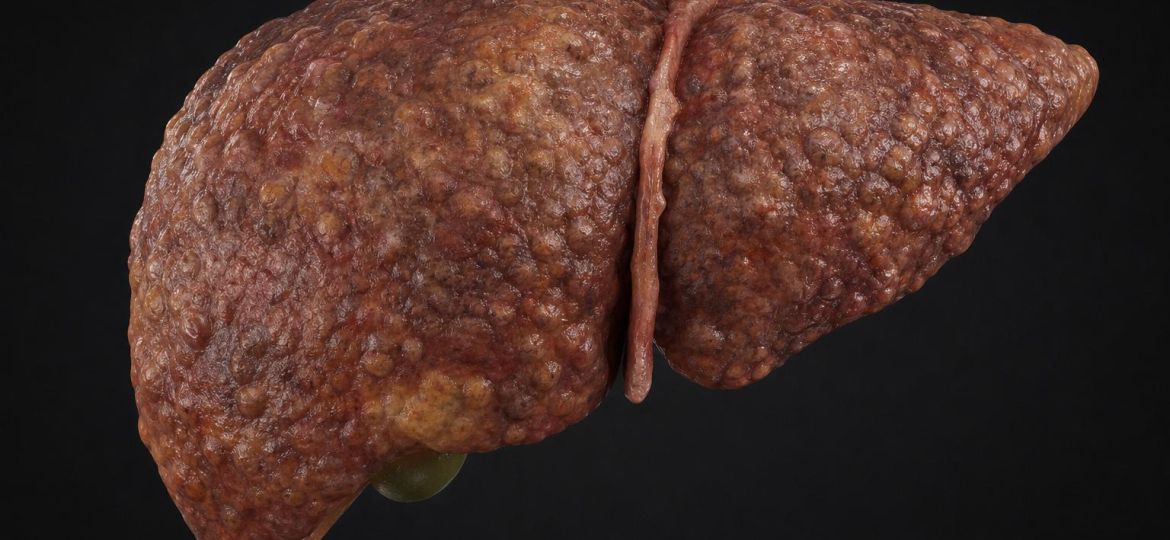
Cirrhosis is a condition in which healthy liver tissue is gradually replaced by scar tissue. The scarring blocks blood flow through the liver and makes it harder for the liver to do its many jobs, from filtering toxins to making proteins and helping digest food. Cirrhosis develops slowly, often over many years, and it’s a leading cause of liver-related illness and death.
What causes cirrhosis?
According to the National Institute of Diabetes and Digestive and Kidney Diseases (NIDDK), the most common causes include:
- Fatty liver disease linked to obesity and diabetes (MASLD and MASH)
- Heavy alcohol use over many years. Read about alcohol and your liver.
- Chronic viral hepatitis, especially hepatitis B and C
Less common causes include autoimmune hepatitis, diseases that damage the bile ducts, inherited conditions such as hemochromatosis (iron buildup) and Wilson disease (copper buildup), and certain medicines.
Symptoms
Early cirrhosis often causes no symptoms. As it progresses, symptoms may include:
- Fatigue and weakness
- Loss of appetite, nausea and weight loss
- Itchy skin
- Easy bruising or bleeding
- Small, spider-like blood vessels on the skin
- Redness on the palms
In more advanced stages, signs can include yellowing of the skin and eyes (jaundice), swelling in the legs and abdomen, confusion and drowsiness.
Complications
- Fluid buildup in the abdomen (ascites) and legs
- Enlarged veins (varices) in the esophagus or stomach that can bleed
- Confusion caused by toxins building up in the blood (hepatic encephalopathy)
- Liver cancer
- Liver failure
Diagnosis
Doctors use liver function tests, imaging such as ultrasound, tests that measure liver stiffness and sometimes a liver biopsy to diagnose cirrhosis and find its cause.
Treatment
Scarring from cirrhosis usually can’t be reversed, but treatment can slow or stop it from getting worse and prevent complications:
- Treating the cause: stopping alcohol, curing hepatitis C, controlling hepatitis B and managing fatty liver disease.
- Avoiding further harm: no alcohol, caution with medicines and supplements, and vaccination against hepatitis A and B.
- Managing complications with medicines, a low-sodium diet and procedures when needed.
- Regular screening for liver cancer, often with an ultrasound every 6 months, and for varices.
- Liver transplant for people with advanced cirrhosis or liver failure.
What this means for you
If you have risk factors such as heavy drinking, hepatitis, diabetes or obesity, ask your doctor about checking your liver. If you’ve been diagnosed with cirrhosis, keep regular appointments, follow your treatment plan and seek emergency care for vomiting blood, black or bloody stools, sudden confusion or severe abdominal pain.
The bottom line
Cirrhosis is advanced scarring of the liver, most often caused by fatty liver disease, alcohol or hepatitis. While scarring usually can’t be undone, treating the cause and preventing complications can protect the remaining liver function.
Common questions
Is cirrhosis always caused by alcohol?
No. Fatty liver disease and viral hepatitis are also major causes, and many people with cirrhosis drink little or no alcohol.
Can you live a long life with cirrhosis?
Many people with compensated cirrhosis, meaning the liver still works fairly well, live for many years, especially when the cause is treated and complications are prevented.
How is liver cancer screening done?
People with cirrhosis are usually screened with an ultrasound, sometimes with a blood test, about every 6 months.
Do I need a special diet with cirrhosis?
Many people need to limit sodium and get enough protein and calories. A dietitian can help create a plan for your needs.
This article is for general information and isn’t medical advice. Talk with your healthcare provider about your individual needs.



[…] steatohepatitis, formerly NASH). Over time, MASH can cause scarring (fibrosis), cirrhosis and liver […]
[…] By vivienteadmin Liver Disease September 24, […]
[…] chronic hepatitis B and C can lead to cirrhosis, liver failure and liver cancer. Testing and treatment can prevent these complications. Your doctor […]