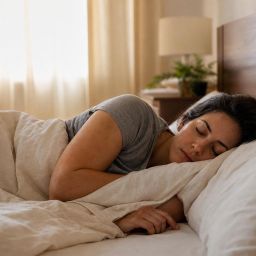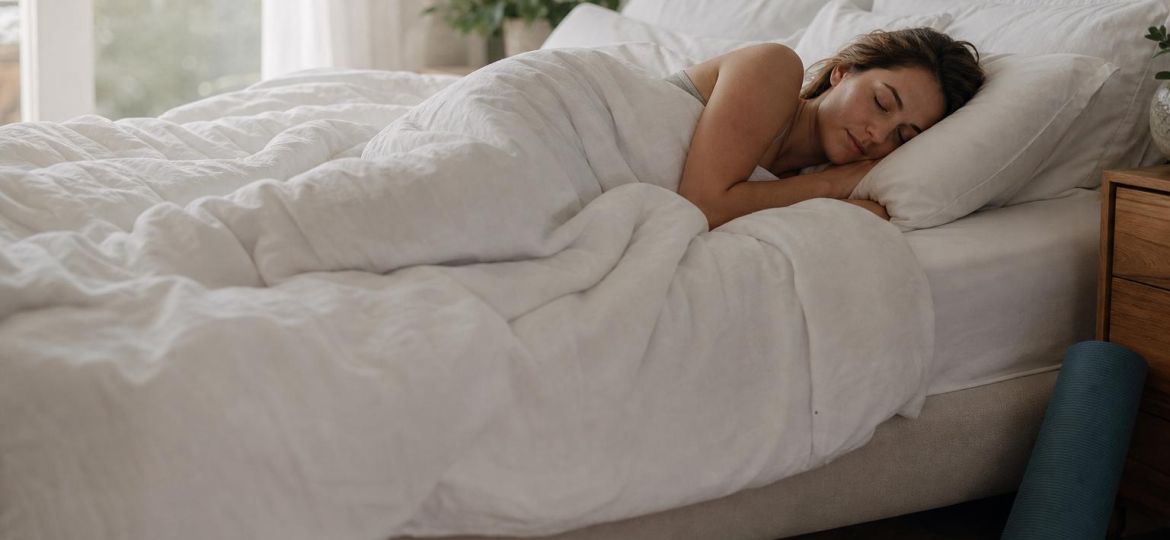
If you’re tossing and turning at night, your daytime habits may be part of the solution. Regular physical activity is one of the most natural ways to improve sleep. According to sleep experts at Johns Hopkins, there is solid evidence that exercise does help you fall asleep more quickly and improves sleep quality.
How exercise improves sleep
- More deep sleep. Moderate aerobic exercise can increase the amount of slow-wave (deep) sleep, the restorative stage when the body and brain recover.
- Less stress and anxiety. Exercise helps calm the mind, which makes it easier to drift off.
- A steadier body clock. Regular activity, especially outdoors in daylight, helps keep your circadian rhythm on track.
- Healthy weight. Staying active can help prevent weight gain, which is linked to sleep problems like sleep apnea.
How much and how soon?
Johns Hopkins sleep experts note that people who get 30 minutes of moderate aerobic exercise may see a difference in sleep quality that same night. For lasting benefits, aim for regular activity most days of the week. Consistency matters more than intensity.
Does timing matter?
Exercise releases endorphins and raises body temperature, which can keep some people awake. Johns Hopkins experts suggest that for some people, exercising 1 to 2 hours before bed gives the body time to wind down. Others can exercise in the evening without trouble. Pay attention to how your body responds.
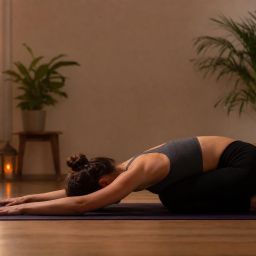
Gentle, relaxing activities like stretching and yoga are generally fine closer to bedtime and may even help you relax.
Best types of exercise for sleep
- Moderate aerobic activity like brisk walking, cycling or swimming.
- Strength training, which has also been linked to better sleep.
- Yoga and stretching, which combine gentle movement with calming breathing.
- Outdoor activity in the morning, for the added benefit of natural light.
Routines to try
- Gentle Yoga Routine for Stress Relief: a calming 20-minute routine that’s great in the evening.
- Brisk Walking Interval Plan: a morning walk gets you moving and outdoors in daylight.
Other habits for better sleep
- Keep a consistent sleep and wake schedule, even on weekends.
- Limit caffeine after early afternoon and avoid heavy meals late at night.
- Keep your bedroom cool, dark and quiet.
- Put screens away 30 to 60 minutes before bed.
- Limit alcohol, which can disrupt sleep later in the night.
What this means for you
If you struggle with sleep, adding regular physical activity is a low-risk step worth trying. Still, ongoing insomnia, loud snoring, gasping during sleep or excessive daytime sleepiness can signal a sleep disorder that needs medical attention. Talk with your doctor if sleep problems last more than a few weeks.
The bottom line
Regular exercise can help you fall asleep faster and enjoy deeper, more restful sleep. Find a time of day that works for your body, stay consistent and pair activity with good sleep habits.
Common questions
Can exercise help with insomnia?
Regular exercise can improve sleep for many people with insomnia, though it usually works best alongside other sleep habits and, when needed, treatments like cognitive behavioral therapy for insomnia (CBT-I).
What if I’m too tired to exercise?
Start with a short, gentle walk. Better sleep often leads to more energy, which makes exercise easier over time.
Is it bad to exercise right before bed?
Not for everyone. Some people sleep fine after evening workouts, while others feel too energized. If you have trouble falling asleep, try finishing vigorous exercise 1 to 2 hours before bed.
This article is for general information and isn’t medical advice. Check with your doctor before starting a new exercise program, especially if you have heart disease, diabetes, high blood pressure, joint problems, a lung condition or another health concern. Stop and seek medical help if you feel chest pain, dizziness, faintness or severe shortness of breath.