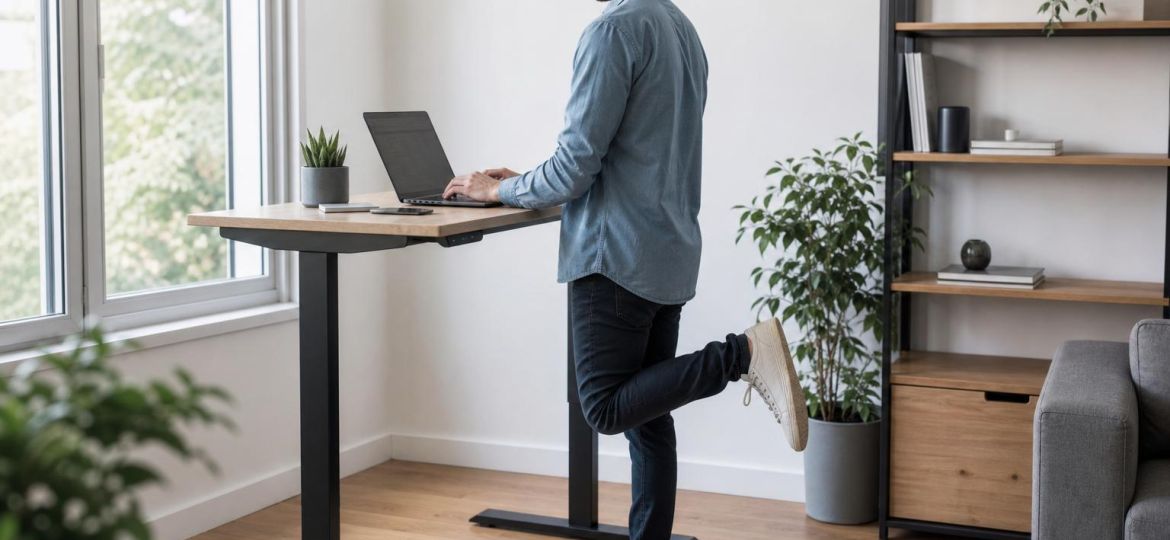
Between work, commuting, meals and evenings in front of a screen, many adults spend most of their waking hours sitting. Even people who exercise regularly can rack up 8 or more hours of sitting a day.
Mayo Clinic notes that sitting for long periods is linked to a range of health concerns, including obesity, high blood pressure, high blood sugar, excess body fat around the waist and unhealthy cholesterol levels. The good news is that breaking up sitting time with short bursts of movement can help.
Why sitting affects your health
When you sit for long periods, your muscles burn less energy and your body becomes less efficient at processing blood sugar and fats. Your posture may suffer, leading to neck, shoulder and back pain, and blood flow in your legs slows. Over time, these effects can add up, even if you work out before or after work.
Easy ways to move more at work
- Stand up every 30 to 60 minutes. Set a timer or use an app reminder.
- Take phone calls standing or pacing.
- Walk to a coworker’s desk instead of sending a message.
- Use the stairs instead of the elevator.
- Hold walking meetings for one-on-one conversations.
- Park farther away or get off public transit a stop early.
- Try a sit-stand desk, alternating between sitting and standing.
- Do a quick stretch routine at your desk.
Easy ways to move more at home
- Stand or walk during TV commercials or between episodes.
- Do light chores like folding laundry or tidying while standing.
- Take a short walk after meals, which may also help with blood sugar.
- Play actively with kids, grandkids or pets.
- Do some of your scrolling or reading while standing.
Routines that make it easy
- 10-Minute Desk Break Stretch Routine: stretches you can do at work in regular clothes.
- Brisk Walking Interval Plan for Heart Health: turn a lunch break into a heart-healthy workout.
Standing isn’t the whole answer
Standing all day isn’t ideal either. It can lead to leg and back discomfort. The goal is variety: shift positions often and add light movement throughout the day. Short, frequent breaks are more helpful than standing for hours at a time.
What this means for you
You don’t need to overhaul your day. Start by adding a 2- to 5-minute movement break every hour, and build from there. Combine these small habits with regular exercise, such as 150 minutes a week of brisk walking, for the greatest benefit.
If you have back, joint or circulation problems, ask your doctor or a physical therapist for movement ideas that are right for you.
The bottom line
Long stretches of sitting can affect your health, even if you exercise. Standing up, stretching and moving for a few minutes every half hour to hour is a simple habit that can make a real difference.
Common questions
Does exercise cancel out sitting?
Exercise helps, but research suggests that very long periods of sitting carry risks even for active people. The best approach is both: regular exercise plus frequent breaks from sitting.
Are standing desks worth it?
They can help you break up sitting time, but the benefits come from changing positions and moving, not from standing still for hours.
How often should I get up?
A good goal is to stand up and move for a few minutes every 30 to 60 minutes. Even a short walk to refill your water glass counts.
This article is for general information and isn’t medical advice. Check with your doctor before starting a new exercise program, especially if you have heart disease, diabetes, high blood pressure, joint problems, a lung condition or another health concern. Stop and seek medical help if you feel chest pain, dizziness, faintness or severe shortness of breath.