Chemotherapy can be lifesaving, but it often comes with side effects that make treatment harder. One of them is a drop in platelets, the blood cells that help blood clot. Early research published in Science Translational Medicine suggests that a ketogenic (keto) diet might help keep platelet counts up during chemotherapy. The findings are preliminary, and patients should not change their diet without their care team’s guidance.
Why low platelets matter
A low platelet count, called thrombocytopenia, raises the risk of bruising and bleeding. When it’s caused by chemotherapy, doctors sometimes have to delay treatment or lower the dose, which can affect how well cancer treatment works. The researchers estimated that about 1 in 10 people receiving chemotherapy develop this problem. Current treatments, such as platelet transfusions and medicines that stimulate platelet production, can be costly or carry side effects.
Researchers have long looked for safer, cheaper ways to protect blood counts during treatment.
What is a ketogenic diet?
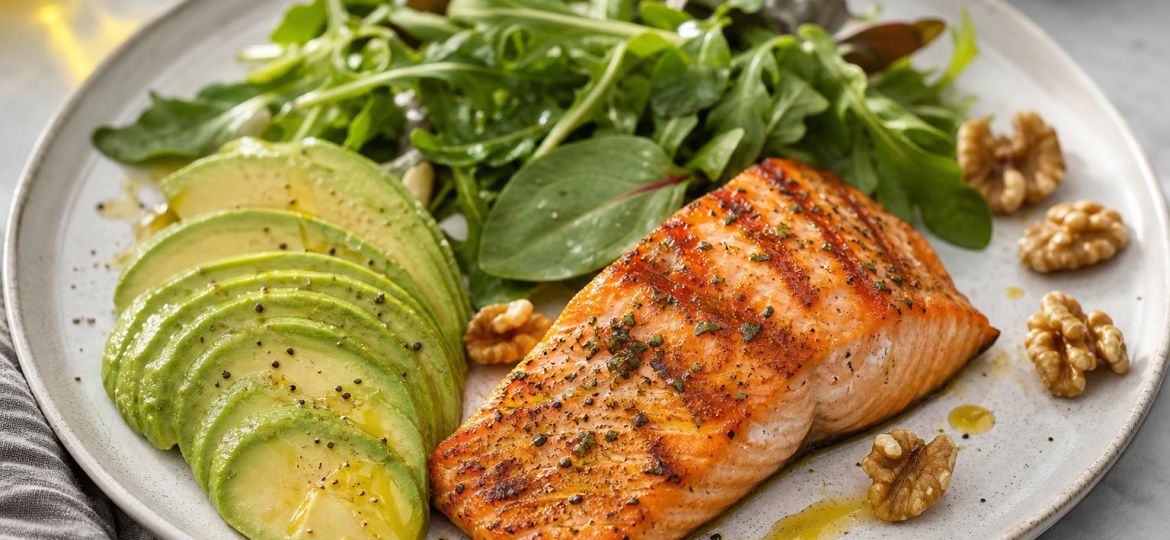
A ketogenic diet is very low in carbohydrates and high in fat. Cutting carbohydrates sharply pushes the body to burn fat for fuel and produce compounds called ketones. Keto diets are used medically for some children with hard-to-control epilepsy and are popular for weight loss, though they can be difficult to follow.
What the researchers found
The study, led by Dr. Sisi Xie, combined several kinds of evidence:
- In mice, a diet that promotes ketone production eased chemotherapy-related drops in platelets. It appeared to work by changing the bone marrow, where platelets are made.
- In five healthy volunteers, a week on a keto diet modestly raised platelet counts, keeping them within the normal range.
- In a look back at records of 28 cancer patients receiving chemotherapy, those who followed a keto diet had higher platelet counts and fewer cases of low platelets than those who didn’t.
Importantly, the diet raised platelets without pushing them too high, which can carry its own risks.
If confirmed, a diet-based approach would be appealing because it’s inexpensive and widely available, and it could help more patients stay on schedule with their chemotherapy.
Why caution is needed
These are early findings from animal studies, a handful of healthy volunteers and a small review of patient records. The researchers themselves said larger clinical trials are needed to confirm the results. A keto diet also isn’t right for everyone with cancer:
- People in treatment often struggle with appetite, nausea and weight loss, and a restrictive diet could make it harder to get enough nutrition.
- Keto diets can affect blood sugar, cholesterol, kidney function and medication needs.
- Some cancers and treatments have specific nutritional requirements.
What this means for patients
- Talk to your oncology team first. Never start a new diet during cancer treatment without discussing it with your doctors.
- Ask for an oncology dietitian. Many cancer centers have dietitians who specialize in nutrition during treatment.
- Know the signs of low platelets: easy bruising, tiny red or purple spots on the skin, nosebleeds, bleeding gums or blood in urine or stool. Report these to your care team.
- Ask about clinical trials if you’re interested in diet-based approaches being tested in cancer care.
The bottom line
Early research suggests a ketogenic diet might help prevent low platelet counts during chemotherapy. It’s an interesting, low-cost idea, but it’s not yet proven, and diet changes during cancer treatment should always be made with your care team.
This article is for general information and isn’t medical advice. Talk with your healthcare provider about your individual needs.