

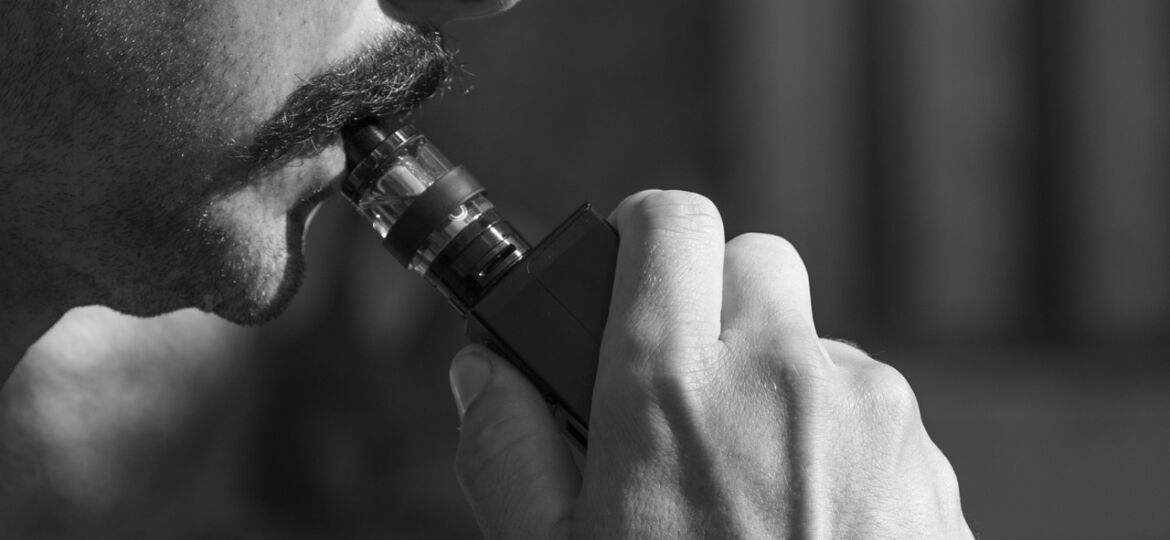
Much of the conversation about vaping focuses on the lungs. But researchers at Tufts University School of Dental Medicine have found that e-cigarettes may also take a toll on your teeth, with people who vape showing a noticeably higher risk of cavities.
What the study looked at
Published in the Journal of the American Dental Association, the study reviewed the dental records of more than 13,000 patients treated at Tufts dental clinics between 2019 and 2022. Only a small share, less than 1%, said they used e-cigarettes. The researchers then compared each patient’s assessed risk of developing cavities (also called caries) with their vaping status.
What they found
About 79% of patients who vaped were rated as being at high risk of cavities, compared with about 60% of those who didn’t vape.
Because this was a look back at patient records, it shows a link rather than proof that vaping directly causes cavities. Other habits, such as diet or how often people see a dentist, could also play a part. Still, the findings fit with earlier lab research on how e-cigarette vapor affects the mouth.
Why vaping might harm teeth
Researchers have several possible explanations:
- Sweet, sticky liquids. Many vape liquids contain sweeteners and flavorings, and the vapor can leave a sticky film on teeth that bacteria feed on.
- Changes to mouth bacteria. Lab studies suggest e-cigarette vapor may encourage the growth of cavity-causing bacteria and make them more aggressive.
- Dry mouth. Ingredients in vape liquids can reduce saliva, which normally helps wash away food and neutralize acids.
- Gum health. Nicotine affects blood flow in the gums, which may raise the risk of gum (periodontal) disease.
A concern for young people
Vaping is especially common among teenagers. A 2022 CDC survey found that about 2.5 million U.S. middle and high school students were using e-cigarettes. That means a large group of young people may be putting their dental health at risk, on top of the other health concerns linked to nicotine and vaping.
Cavities and gum disease often cause no pain at first. By the time a tooth hurts, decay may already be advanced, which is why regular dental visits matter so much for anyone who vapes.
What this means for you
- Tell your dentist if you vape. The study’s authors recommend this so your dentist can tailor your care, which may include more frequent checkups or extra prevention.
- Step up your daily routine. Brush twice a day with fluoride toothpaste, clean between your teeth daily, and drink water to keep your mouth moist.
- Ask about extra fluoride. Your dentist may suggest fluoride varnish or a prescription-strength toothpaste.
- Watch for warning signs. See your dentist if you notice tooth sensitivity, pain, bleeding gums or dark spots on your teeth.
- Consider quitting. Quitting nicotine benefits your mouth, heart and lungs. In the U.S., free help is available by calling 1-800-QUIT-NOW, and your doctor can discuss other options.
The bottom line
People who vape appear to have a higher risk of cavities and may face gum problems too. If you vape, let your dentist know, keep up good oral care, and remember that quitting is the best way to protect your smile and your overall health.
This article is for general information and isn’t medical advice. Talk with your healthcare provider about your individual needs.
