It sounds like a joke, but it’s serious science. Researchers at the Georgia Tech Research Institute have trained artificial intelligence to recognize bathroom sounds, from urination to diarrhea, with the goal of spotting disease outbreaks earlier in places where medical care is hard to reach.
Why bathroom sounds?
Diarrheal diseases such as cholera can spread quickly in communities without clean water or strong health systems. Catching a rise in cases early can help health workers respond before an outbreak grows. But people often don’t report symptoms, and testing isn’t always available.
The researchers reasoned that sound offers a simple, private and non-invasive clue. If an inexpensive sensor in a shared toilet could notice an unusual increase in diarrhea, it could alert public health teams to check what’s happening in that area, without identifying anyone.
How they trained the AI
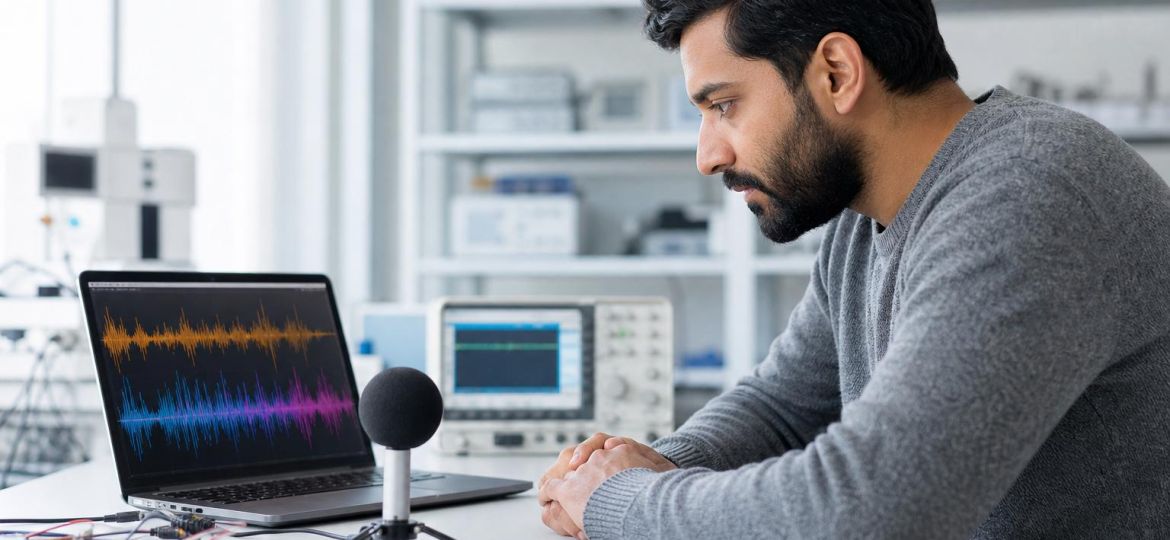
The team first gathered publicly available audio recordings of different bathroom events and taught an AI model to tell them apart based on their sound patterns.
To test it, they built a machine with pumps, nozzles and tubes that recreates the physics and sounds of human bodily functions using water. Each type of sound had its own small system. With a sense of humor, they named it the Synthetic Human Acoustic Reproduction Testing machine, or S.H.A.R.T.
In early testing, the AI identified the correct type of event about 98% of the time. The researchers presented the work at the American Physical Society’s fluid dynamics conference in 2022. It has not yet been through full peer review, so the results should be seen as preliminary.
Sound has another advantage: it doesn’t require anyone to collect samples, answer questions or remember to report symptoms. That matters because people often underreport digestive problems, either out of embarrassment or because they don’t think the symptoms are important.
Designed to be affordable
The team stressed that they aren’t trying to build expensive hospital equipment. The aim is low-cost sensors that could be used in cities and regions with weak health systems, where early warning could matter most. They also see possible future uses for individuals, such as noticing changes in urine flow that could signal a problem worth checking with a doctor.
Larger studies with real-world recordings will be needed to show how well the system works outside the lab.
What this means for you
This technology isn’t something you can use at home yet, but your body already gives you useful signals:
- Notice changes in your bowel habits. A lasting change in how often you go, or in stool consistency or color, is worth mentioning to your doctor.
- Take diarrhea seriously when it’s severe. Seek care for diarrhea that lasts more than a couple of days, contains blood, comes with a high fever or severe pain, or leads to signs of dehydration such as dizziness, very dark urine or little urine.
- Watch urinary changes too. Burning, a weak stream, needing to go much more often, or blood in the urine should be checked.
- Stay hydrated when you’re sick. Oral rehydration solutions replace fluids and salts better than water alone during diarrheal illness.
- Wash your hands. Soap and water after using the bathroom and before eating are among the best ways to prevent gut infections.
The bottom line
An AI trained on bathroom sounds correctly identified different events about 98% of the time in early tests. It’s an unusual idea, but it could one day offer a cheap, private way to spot outbreaks of serious diarrheal disease sooner.
This article is for general information and isn’t medical advice. Talk with your healthcare provider about your individual needs.