Endometriosis affects roughly 1 in 10 women and people assigned female at birth during their reproductive years, yet it often takes seven years or more to be diagnosed, and treatment options remain limited. A study published in Nature Genetics created a detailed map of the cells involved in endometriosis, a resource researchers hope will speed up better diagnosis and treatment.
What is endometriosis?
Endometriosis is a chronic condition in which tissue similar to the lining of the uterus grows outside the uterus. These growths most often appear on the ovaries, the fallopian tubes and the lining of the pelvis and abdomen. Like the uterine lining, they respond to hormonal changes during the menstrual cycle, which can cause inflammation, pain and scar tissue.
Common symptoms include:
- Painful periods that get worse over time
- Chronic pelvic pain
- Pain during or after sex
- Pain with bowel movements or urination, especially during a period
- Fatigue
- Difficulty getting pregnant
Why a cell map matters
“Endometriosis has been an understudied disease in part because of limited cellular data that has hindered the development of effective treatments,” Kate Lawrenson, an associate professor of obstetrics and gynecology at Cedars-Sinai in Los Angeles, told The Guardian.
Lawrenson noted that endometriosis can spread through the body in ways that resemble cancer, though it rarely becomes cancer. Researchers want to understand why. Large-scale genetic sequencing projects transformed cancer research by revealing how tumors work at the cellular level, and the team hoped a similar approach could do the same for endometriosis.
What the researchers did
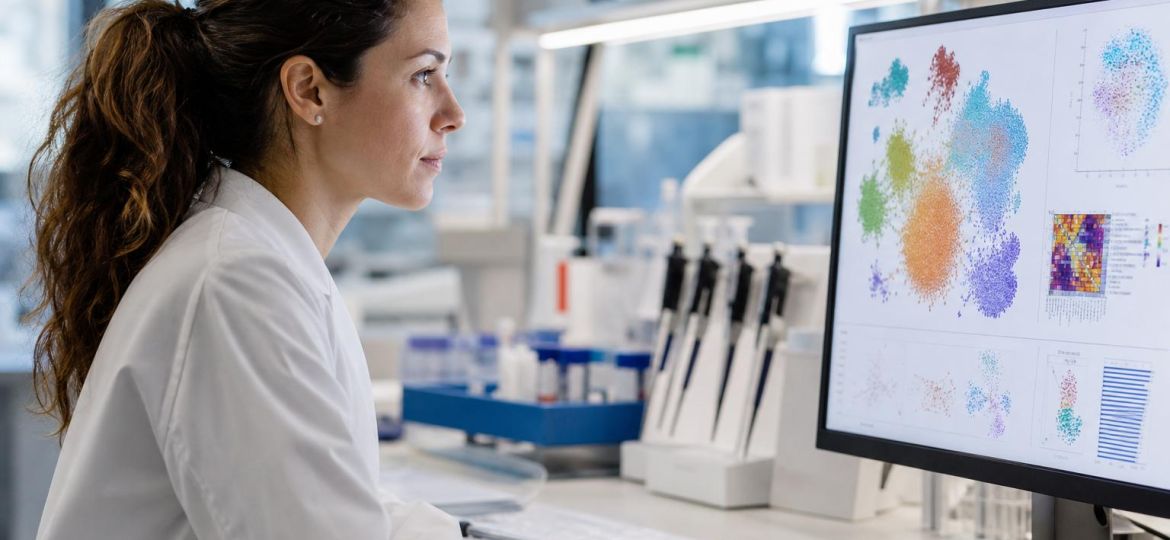
The team analyzed more than 400,000 individual cells from 21 patients, some with endometriosis and some without. Using a technique called single-cell sequencing, they profiled the different cell types in endometriosis tissue and mapped the molecular changes linked to the disease.
They were able to identify molecular differences between major subtypes of endometriosis, including disease affecting the lining of the abdominal cavity (peritoneal endometriosis) and cysts on the ovaries (ovarian endometriomas). Lawrenson called the resource “a game-changer,” because researchers around the world can now use it to study the specific cell types they specialize in. Her team has already begun using the map to look for potential treatment targets in animal studies.
Current treatment options
Today, endometriosis is usually treated with pain relievers, hormone therapies that suppress the growths, and surgery to remove lesions and cysts. These treatments help many people but don’t work equally well for everyone, and symptoms often return. In some cases, removal of the ovaries or uterus is considered. Better understanding of the disease at the cellular level could eventually lead to more targeted, effective therapies and possibly simpler ways to diagnose it.
What this means for you
- Don’t accept severe period pain as normal. Pain that interferes with work, school or daily life deserves a medical evaluation.
- Track your symptoms. Keep a record of pain, its timing in your cycle and how it affects you. This can help your provider recognize patterns.
- Ask about endometriosis directly. Because diagnosis is often delayed, it’s okay to raise the possibility yourself.
- Consider a specialist. A gynecologist experienced in endometriosis can discuss diagnosis and the full range of treatment options.
- Plan ahead if you want children. If fertility is a concern, talk with your provider early about your options.
The bottom line
By mapping hundreds of thousands of cells, researchers have created a detailed picture of how endometriosis differs from healthy tissue. It won’t change treatment overnight, but it gives scientists a powerful new tool in the search for better diagnosis and care.
This article is for general information and isn’t medical advice. Talk with your healthcare provider about your individual needs.