Age-related macular degeneration, or AMD, is a leading cause of serious vision loss in older adults in wealthy countries. It gradually damages central vision, the sharp, detailed sight we use to read, drive and recognize faces. While there is still no cure, researchers are exploring new ways to treat it, including a partnership between the Australian National University and the Korean biotech company MDimune.
What is AMD?
AMD affects the macula, a small area in the center of the retina at the back of the eye. Peripheral (side) vision usually stays intact, but the center of what you see can become blurry, distorted or dark. The condition is painless, which is one reason it can go unnoticed early on.
There are two main types:
- Dry AMD is the most common form. It progresses slowly as the cells of the macula thin and break down.
- Wet AMD is less common but more serious. Abnormal blood vessels grow under the retina and leak fluid, which can cause rapid vision loss.
Many people with early AMD have no symptoms at all. As it progresses, they may notice they need brighter light to read, that colors look less vivid, or that it takes longer to adjust when moving from bright to dim places. In later stages, a blurry or empty area can appear in the center of vision, making everyday tasks such as reading, cooking and driving difficult. Losing central vision can also affect independence and mood, so support and low-vision services are an important part of care.
Who is at risk?
- Age, especially after 50
- A family history of AMD
- Smoking, which is one of the strongest risk factors you can change
- Being of white European ancestry
- High blood pressure, heart disease and high cholesterol
Current treatments
For wet AMD, injections of medicines that block a protein called VEGF can slow or stop vision loss, and sometimes improve vision, if treatment starts early. For some people with intermediate dry AMD, a specific combination of vitamins and minerals known as the AREDS2 formula can slow progression. Newer treatments for advanced dry AMD have also been developed in recent years. None of these cure the disease, which is why research continues.
New research on the horizon
Scientists at the Australian National University’s Clear Vision Research Lab partnered with MDimune to study tiny particles made from human cells, called cell-derived vesicles. These particles act like natural delivery vehicles and might carry treatments directly to the retina. Early laboratory studies were promising, and researchers believe the approach could one day help with other conditions too. This work is still in early stages and is years away from being tested widely in patients.
What this means for you
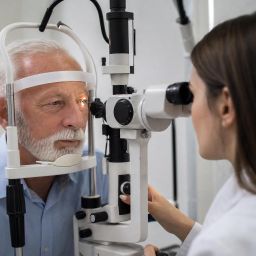
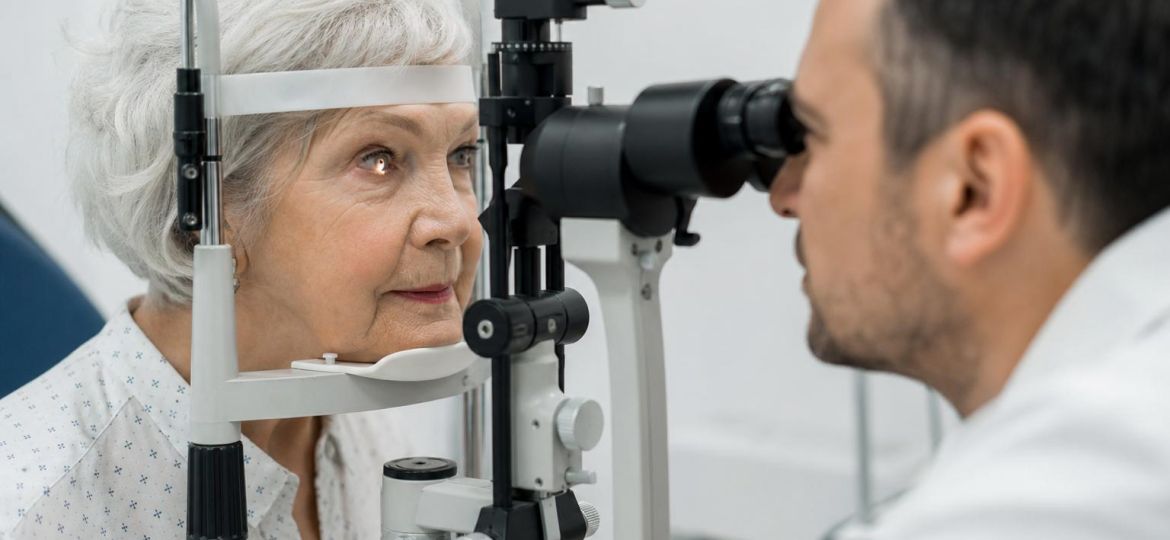
- Get regular eye exams. A comprehensive dilated eye exam can spot AMD before you notice symptoms. Ask your eye doctor how often you should be checked.
- Watch for changes. Straight lines looking wavy, a blurry or dark spot in the center of your vision, or trouble reading in normal light are reasons to see an eye doctor promptly.
- Don’t smoke. Quitting at any age lowers your risk.
- Eat for your eyes. Leafy greens, colorful vegetables and fish are part of an eye-friendly diet.
- Ask before taking supplements. AREDS2 vitamins help only certain people with AMD, so check with your eye doctor first.
The bottom line
AMD is common, painless and can steal central vision over time. Regular eye exams and healthy habits help protect your sight today, while new research offers hope for better treatments in the future.
This article is for general information and isn’t medical advice. Talk with your healthcare provider about your individual needs.