Fentanyl is now widely known as the driver of the U.S. overdose crisis. But other synthetic opioids are also turning up in the illegal drug supply, often without the user knowing. One of them, isotonitazene, often called “ISO,” is a reminder that no pill or powder from an unknown source can be trusted.
What is ISO?
Isotonitazene belongs to a family of synthetic opioids called nitazenes. They were first studied as possible pain medicines decades ago but were never approved for medical use. In recent years, they have been made illegally and mixed into street drugs. Lab studies suggest isotonitazene is extremely potent, far stronger than morphine and in some estimates stronger than fentanyl, which means a tiny amount can be deadly.
ISO has been found in powders, tablets and liquids, and it can be mixed into heroin or pressed into counterfeit pills made to look like common prescription drugs such as Xanax or oxycodone.
Why it’s so dangerous
- People don’t know they’re taking it. Because it’s mixed into other drugs, users may have no idea ISO is present.
- Small mixing errors can be fatal. Illegal drug makers don’t measure carefully, so one pill can contain far more than another.
- No tolerance. Someone who has never taken a strong opioid, such as a person taking what they think is an anxiety pill, is especially likely to overdose.
- It’s hard to detect. Standard toxicology tests often don’t screen for nitazenes, so deaths may be undercounted or recorded as caused by other drugs.
Like other opioids, ISO causes overdose by slowing and then stopping a person’s breathing.
How new opioids keep appearing
As authorities crack down on one drug, illegal manufacturers often switch to related chemicals that aren’t yet controlled or easily detected. Nitazenes are part of that pattern. Because new versions keep emerging, the drug supply has become less predictable, and a pill that looks exactly like a familiar medicine may contain something very different. That unpredictability is a big part of why overdose deaths have stayed so high.
Naloxone still helps
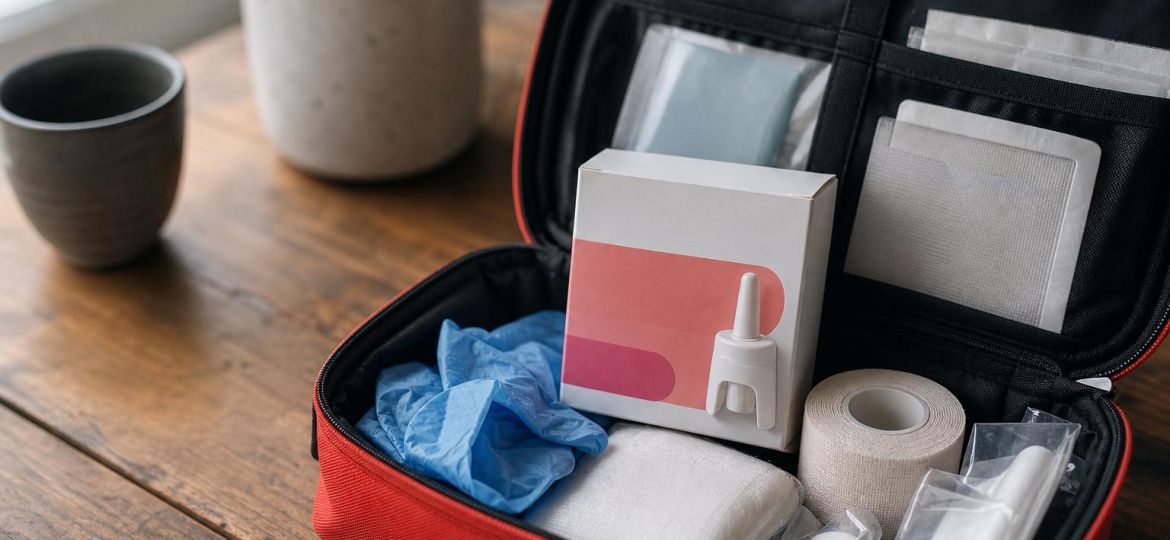
Naloxone (Narcan) can reverse overdoses from ISO and other opioids. Because nitazenes are so potent, more than one dose may be needed, and the effects of the opioid can outlast the naloxone. That’s why it’s important to call emergency services even after giving naloxone.
How to protect yourself and others
- Only take medicine prescribed for you and dispensed by a licensed pharmacy. Pills bought online or offered by friends may be counterfeit.
- Carry naloxone. It’s available without a prescription in the U.S. and is easy to use.
- Know the signs of an overdose: pinpoint pupils, slow, shallow or stopped breathing, blue or gray lips, gurgling sounds, and being unresponsive.
- Act fast. Call 911, give naloxone, and keep the person breathing and on their side until help arrives.
- Talk with teens and young adults. Many overdoses among young people involve fake pills they believed were safe.
- Help is available. Treatment for opioid use disorder works. In the U.S., the SAMHSA National Helpline (1-800-662-4357) offers free, confidential referrals 24/7.
The bottom line
ISO is an extremely potent synthetic opioid that can hide in counterfeit pills and other street drugs. The safest choices are to avoid any medicine that isn’t prescribed and dispensed to you, carry naloxone, and know how to respond to an overdose.
This article is for general information and isn’t medical advice. Talk with your healthcare provider about your individual needs.