Age-related macular degeneration (AMD) is a leading cause of irreversible vision loss in older adults. Genes play a big role in who gets it, but they don’t tell the whole story. A study published in the journal Science by researchers at the University of Montreal suggests that a history of obesity may leave lasting changes in the immune system that make the eyes more vulnerable to AMD later in life.
What is AMD?
AMD damages the macula, the small central part of the retina responsible for sharp, detailed vision. People with AMD may notice blurry or distorted central vision, trouble reading or recognizing faces, or a dark spot in the middle of their field of view. Side vision usually stays intact. Researchers estimate that around 196 million people worldwide were living with AMD in 2020, and that number is expected to grow as populations age.
What the researchers studied
“We wanted to know why some people with a genetic predisposition develop AMD while others are spared,” lead researcher Przemyslaw (Mike) Sapieha, a professor of ophthalmology, said in a news release. He explained that while variations in certain genes raise the risk of AMD, they don’t directly cause it, so other factors must play a role.
The team studied mice that were fed a high-fat diet until they became obese, then returned to a normal diet and normal weight. Even after the weight came off and their metabolism returned to normal, the mice’s immune cells kept a kind of “memory” of the obesity. These were epigenetic changes, which alter how genes are switched on and off without changing the genes themselves.
When the researchers then triggered an injury in the mice’s eyes, the immune cells of formerly obese mice reacted with a stronger, more damaging inflammatory response. That kind of inflammation is linked to the abnormal blood vessel growth seen in the “wet” form of AMD.
Why it matters
The findings suggest that life experiences such as obesity can reprogram immune cells in ways that last long after the experience itself, potentially contributing to disease decades later. Study author Masayuki Hata said the work provides important information about the immune cells that drive AMD and could help lead to more tailored treatments in the future. The researchers also suggested that similar immune “memory” might be relevant to other conditions linked to obesity.
Important limits
This research was done mainly in mice, and results in animals don’t always apply to people. It shows a plausible biological pathway, but it doesn’t prove that obesity causes AMD in humans. Other well-established risk factors for AMD include older age, family history, smoking and possibly diet.
What this means for you
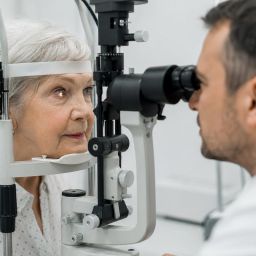
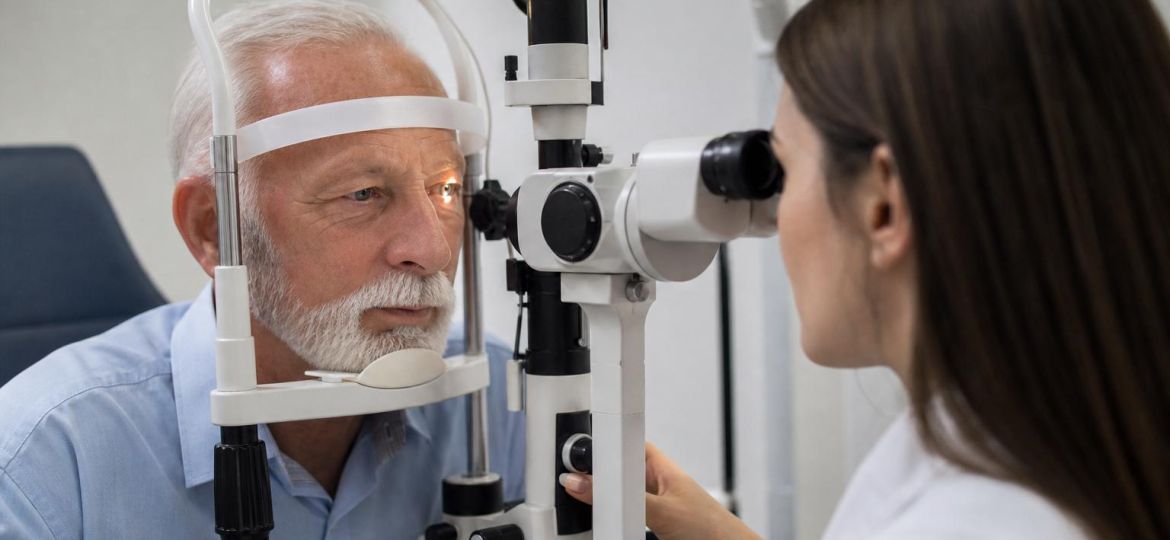
- Get regular eye exams. Adults over 50, and anyone with a family history of AMD, should have a comprehensive dilated eye exam on the schedule their eye doctor recommends.
- Don’t smoke. Smoking is one of the strongest modifiable risk factors for AMD.
- Eat for your eyes. Leafy greens, colorful vegetables and fish are part of a diet linked to healthier eyes.
- Maintain a healthy weight and stay active. These support your heart, blood vessels and overall health, including your eyes.
- Report vision changes promptly. Straight lines that look wavy, or a new blurry or dark spot in your central vision, should be checked right away.
The bottom line
A study in mice suggests that obesity may leave lasting changes in immune cells that increase eye damage later, offering a possible explanation for why some people develop AMD. More research is needed in humans, but regular eye exams and healthy habits remain the best protection for your vision.
This article is for general information and isn’t medical advice. Talk with your healthcare provider about your individual needs.