

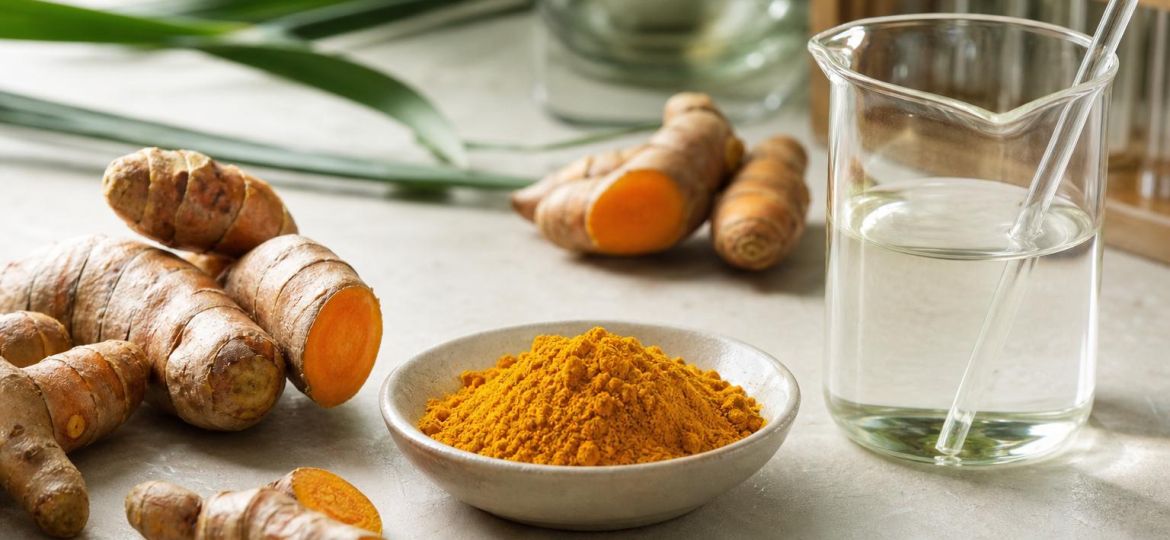
Turmeric, the golden spice used in curries, has long been promoted for its health benefits, especially its main active compound, curcumin. Lab studies have suggested curcumin may have anti-cancer effects, yet it has never become an approved drug. Researchers at Kyoto University in Japan have developed a modified form of curcumin that may finally overcome one of the biggest hurdles.
The problem with curcumin
Curcumin has shown activity against tumors in many laboratory and animal studies. But turning it into medicine has been difficult for two main reasons:
- Poor absorption. When eaten, very little curcumin reaches the bloodstream. Much of it is broken down or passed out of the body.
- Low stability. Curcumin breaks down quickly, so it doesn’t stay in the body long enough to have much effect.
That’s one reason the impressive results seen in lab dishes haven’t translated into proven treatments for people.
A new approach: a prodrug
A prodrug is an inactive or less active form of a compound that the body converts into the active drug after it’s absorbed. The Kyoto team developed a prodrug of curcumin called TBP1901, designed to circulate in the body and then convert into curcumin where it’s needed. Their study was published in the European Journal of Pharmacology.
What the researchers found
- Anti-tumor effects without toxicity. In laboratory and animal studies, TBP1901 showed anti-tumor activity without signs of harmful side effects.
- An enzyme is key. The researchers showed that an enzyme called GUSB converts TBP1901 into active curcumin. In mice lacking a working version of the enzyme, the conversion didn’t happen.
- High conversion in bone marrow. TBP1901 converted to curcumin at high rates in bone marrow, which the researchers say could make it useful for cancers that grow there, such as multiple myeloma and leukemia.
- New targets identified. Using a gene-screening technique, the team also identified specific targets curcumin may act on in cancer cells.
What this does and doesn’t mean
This research is still at an early, preclinical stage. TBP1901 has not been proven to treat cancer in people, and it would need to go through clinical trials to show it’s safe and effective. Importantly, the findings apply to this specially designed compound, not to turmeric powder or over-the-counter curcumin supplements.
A word of caution on supplements
Turmeric is safe in the amounts used in cooking. Concentrated supplements are different:
- They aren’t a cancer treatment. No supplement should replace treatment recommended by your cancer care team.
- They can interact with medicines, including blood thinners and some chemotherapy drugs.
- They aren’t risk-free. High-dose turmeric and curcumin supplements have been linked to rare cases of liver injury.
- Quality varies. Supplements aren’t regulated like medicines, so the amount and purity can differ from what the label says.
What this means for you
- Enjoy turmeric in food. It adds flavor and color to a healthy, plant-rich diet.
- Tell your doctor about any supplements, especially if you’re being treated for cancer or take other medicines.
- Look for evidence from human trials before believing claims that a natural product can treat disease.
The bottom line
Kyoto University researchers created a curcumin prodrug that showed anti-tumor effects without toxicity in early studies. It’s a promising step toward making turmeric’s key compound usable as medicine, but it’s not the same as taking turmeric supplements, and human trials are still needed.
This article is for general information and isn’t medical advice. Talk with your healthcare provider about your individual needs.
